Optimize your bio link for conversions
A cluttered bio link page dilutes every click. Readers bounce when they face too many choices or outdated offers. Start with a clean slate by auditing your current destination.
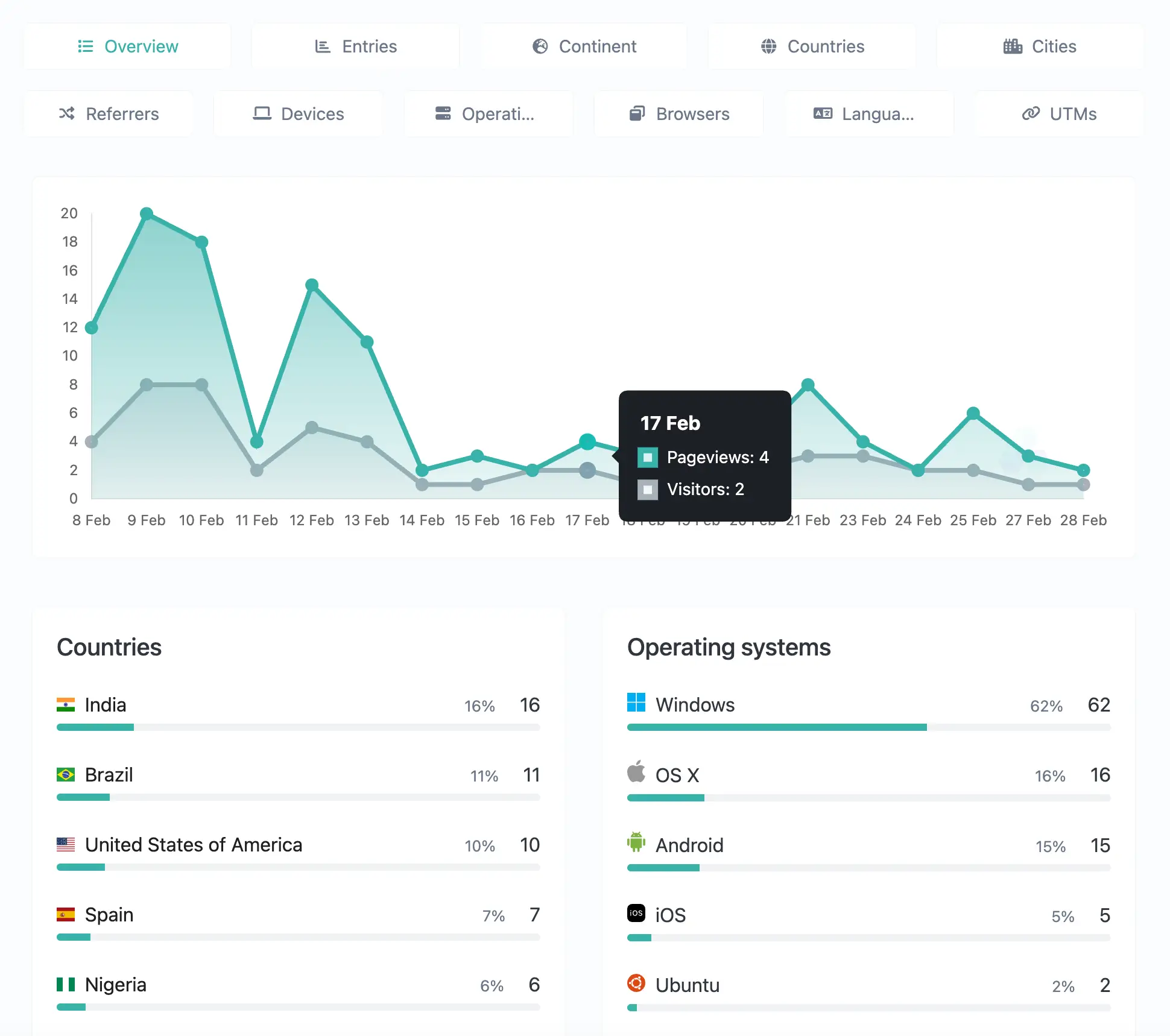
First, verify your tracking infrastructure. You need to know which platform drives traffic and which offer converts. Set up UTM parameters on your primary link. Without this data, you are guessing rather than optimizing. Tools like Bitly or native platform analytics can help, but custom UTMs give you the clearest picture of source and campaign performance.
Next, ensure mobile responsiveness. Most Instagram and TikTok users browse on phones. If your landing page loads slowly or requires horizontal scrolling, you lose conversions instantly. Test the page on a real device before publishing. A fast, focused page beats a feature-rich one every time.

Fix common mistakes
Even with a solid strategy, small errors can kill your conversion rates. These mistakes are easy to make but costly to ignore.
Linking to your homepage
The most frequent error is sending traffic to your generic homepage. Visitors land on a page designed to sell everything to everyone, find no clear path to your specific offer, and leave. Your bio link is a dedicated funnel, not a general directory.
Replace the homepage URL with a specific landing page, product page, or a curated link hub that matches the call-to-action in your post. If your content promotes a new ebook, the link should go directly to that ebook’s purchase page, not your main site’s home.
Leaving links outdated
Static links rot quickly. If you promote a limited-time sale or a seasonal collection, leaving that link active after the offer expires creates a broken user experience. Visitors clicking a link to a "Summer Sale" that leads to a generic collection page feel misled.
Set a calendar reminder to audit your bio link weekly. Rotate links to align with your current content calendar. If you use a link hub service, update the destination URLs immediately when a campaign ends. This keeps your traffic flow relevant and trustworthy.
Ignoring tracking
You cannot optimize what you do not measure. Many creators treat their bio link as a black box, knowing only that clicks happen but not where they lead or which content drove them. Without UTM parameters or built-in analytics, you are guessing which posts drive value.
Add UTM parameters to every bio link to track source, medium, and campaign in your analytics platform. This data reveals which Instagram Reels or TikTok videos actually drive conversions, allowing you to double down on high-performing content and drop what doesn’t work.
Optimize bio links: what to check next
What is a bio link?
A bio link is the clickable URL placed in your Instagram or TikTok profile. Since neither platform allows multiple clickable links in a single bio, this single link serves as a digital gateway. Most creators use a landing page that aggregates multiple URLs, such as recent posts, product pages, or contact forms, into one accessible menu.
How do I create a good bio link?
A high-converting bio link prioritizes clarity over volume. Limit your landing page to three to five primary links to prevent decision fatigue. Use a mobile-first design with large, tappable buttons and clear call-to-action (CTA) text. Ensure the page loads quickly and aligns visually with your brand identity to build immediate trust with visitors.
Which link in bio tool is best?
The best tool depends on your specific goal. If you are an e-commerce brand, choose a platform with native product catalog integration to enable direct shopping. For content creators, a tool that supports easy URL rotation and UTM tracking is essential. Popular options include Linktree, Later’s Linkin.bio, and Beacons, each offering distinct features for different audience sizes.
How to optimize bio links for conversions?
Optimization requires treating your bio link as a dynamic asset, not a static footer. Regularly update the links to reflect your current campaign or latest content. Use UTM parameters to track which links drive traffic and sales in your analytics. Finally, align your bio text with the landing page content to ensure a seamless user journey from click to conversion.
No comments yet. Be the first to share your thoughts!