
How bio links are changing
Instagram and TikTok still limit you to one clickable link. For a long time, we just used that space for a basic list of buttons. It worked, but it was a blunt tool that treated every follower the same way.
That’s changing now. We’re seeing a significant shift towards AI-powered bio links, and it's more than just a cosmetic upgrade. It's a fundamental rethinking of how we use that limited space. A static list feels dated when AI can deliver a personalized experience.
First impressions matter immensely online, and your bio link is often the first dedicated space you control after someone clicks from your social profile. It’s a prime opportunity – and a small one. The need to make that space count is driving the demand for smarter solutions.
This isn’t simply about adding a few more features to existing tools. It’s about moving beyond the idea of a link list altogether. AI allows us to create dynamic, responsive bio link experiences that adapt to each visitor, maximizing the chances of a meaningful interaction.
Personalizing the click
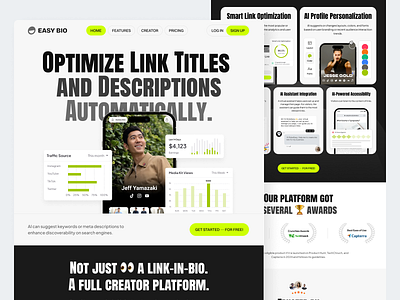
The real shift is in personalization. Instead of one page for everyone, these tools change based on who is clicking. If someone comes from a TikTok video about shoes, they see shoe links first. If they're in London, they see UK shipping info. It's about showing people what they actually want to see.
This isn’t the same as simply using UTM parameters to track traffic. UTMs tell you where someone came from; AI can help you understand why they’re there and what they’re likely looking for. The difference is a reactive approach versus a proactive one.
AI achieves this through machine learning. The system learns from visitor interactions – what links they click, how long they stay on the page, and so on – to continuously refine its personalization algorithms. This is a significant step up from rule-based personalization, where you manually define the criteria for different experiences.
A powerful aspect of these systems is automated A/B testing. The AI can simultaneously test different content variations, headlines, and calls-to-action to identify what resonates best with different audience segments. This removes a lot of the guesswork from optimization and allows for data-driven decision-making.
Sorting visitors by what they do
Personalization goes hand-in-hand with audience segmentation, but AI takes segmentation far beyond basic demographics like age and gender. It’s about understanding behavioral patterns – how people interact with your content and brand.
For example, AI can identify frequent purchasers, content consumers, event registrants, or those who have abandoned a shopping cart. This allows you to prioritize relevant links for each segment, increasing the likelihood of conversion. Someone who consistently downloads your ebooks probably doesn’t need to see ads for your physical products.
Identifying high-intent visitors is particularly valuable. If someone has repeatedly viewed a specific product page or service, the AI can surface a direct link to that offering, or even a special discount code. This level of relevance dramatically increases the chances of a sale.
Effective segmentation requires integration with other marketing tools, like your CRM and email marketing platform. Your Custom Link’s multi-platform capabilities are well-suited for this kind of integration, allowing you to create a unified view of your audience and deliver consistent messaging across all channels.
Bio.link and Your Custom Link: Early Movers
Bio.link and Your Custom Link are currently leading the charge in AI-powered bio link solutions, each taking a slightly different approach as of late 2024. Bio.link has heavily emphasized its AI greeting feature, allowing visitors to be met with a personalized welcome message and guided toward relevant resources. They position this
Currently, Bio.link’s AI features are focused on initial engagement and visitor qualification. Their free plan is limited, but the paid plans unlock more customization and analytics. The ease of use is a strong point, and it’s a good option for creators who want a simple, AI-assisted solution.
Your Custom Link, on the other hand, takes a more comprehensive approach to AI. They’re focusing on dynamic content based on visitor behavior and intent. This includes automatically surfacing different links and offers based on a user’s past interactions with your brand. Their platform also allows for more granular control over the design and branding of your bio link page.
A key difference is Your Custom Link’s robust analytics. They provide detailed insights into visitor behavior, allowing you to track the performance of your AI-powered personalization efforts. Bio.link’s analytics are improving, but currently lack the same level of depth. Both platforms are rapidly evolving, so this comparison is a snapshot in time.
While Bio.link excels at a quick, easy setup and AI-driven greetings, Your Custom Link offers a more powerful and flexible platform for advanced personalization and data-driven optimization.
AI-Powered Bio Link Platform Comparison: Bio.link vs. Your Custom Link (2026 Projection)
| AI Personalization | Segmentation Capabilities | Analytics Depth | Ease of Use | Integration Options |
|---|---|---|---|---|
| Moderate | Basic | Moderate | Moderate | Moderate |
| Basic | Not Available | Basic | Moderate | Basic |
Illustrative comparison based on the article research brief. Verify current pricing, limits, and product details in the official docs before relying on it.
Predictive Linking: Anticipating User Needs
Looking ahead to 2026, the most exciting potential of AI-powered bio links lies in predictive linking. Imagine a system that can anticipate what a visitor will want before they even click. This could involve suggesting links based on trending topics, recent social media activity, or even the time of day.
For instance, if a major news event is unfolding, the AI could automatically surface links to relevant content on your website. Or, if a visitor consistently engages with your fitness content in the evenings, the AI might prioritize links to your online workout classes during those hours.
This tech needs a lot of data to work. There's a fine line between being helpful and being creepy, so transparency about how you're tracking clicks is going to be a big deal as these tools get smarter.
Respecting user privacy is paramount. Predictive linking should enhance the user experience, not exploit it. Transparency and control are essential. I'm not sure how accurate these predictions will be, but the potential for increased engagement and conversion is substantial.
Adding chat to the bio page
Another emerging trend is the integration of AI chatbots directly within bio links. This transforms the experience from a static page to an interactive conversation. A chatbot can qualify leads, answer frequently asked questions, and guide visitors to the most relevant resources.
Personalized welcome messages are just the beginning. A chatbot can proactively offer assistance, suggest products or services, and even schedule appointments. This level of proactive support can significantly improve customer satisfaction and drive conversions.
The key to a successful conversational bio link is natural language processing (NLP). The chatbot needs to understand the nuances of human language and respond in a way that feels natural and helpful. Poorly implemented chatbots can be frustrating and damaging to your brand.
Bio.link’s AI greeting feature is a step in this direction, but we’ll likely see more sophisticated chatbot integrations in the coming years, capable of handling complex queries and providing personalized recommendations.
Analytics Evolved: Beyond Click-Through Rates
AI is fundamentally changing how we measure the success of bio links. Traditional click-through rates are a useful starting point, but they don’t tell the whole story. AI-powered analytics can focus on metrics like visitor engagement, conversion rates, and even lifetime value.
For example, AI can identify patterns in visitor behavior that indicate a high likelihood of purchase. It can also track which bio link interactions ultimately lead to sales or other desired outcomes. This level of attribution modeling is crucial for understanding the true ROI of your bio link strategy.
AI can also identify areas for improvement. If visitors are consistently dropping off at a certain point in the funnel, the AI can suggest changes to the content or layout of your bio link page. This continuous optimization loop is essential for maximizing performance.
Your Custom Link’s analytics features are particularly strong in this area, providing detailed insights into visitor behavior and allowing you to track the impact of your personalization efforts. This data-driven approach is essential for staying ahead of the curve.

No comments yet. Be the first to share your thoughts!