
The shift toward bio link intelligence
The bio link is the only real estate Instagram and TikTok give you to drive traffic. Counting clicks used to be enough, but now we need to know what happens after the tap. AI is changing this from a simple counter into a map of user intent.
Traditional methods like UTM parameters and basic click counts give you a surface-level view of performance. They tell you what happened, but not why. AI-powered bio link analytics go deeper, offering insights into audience behavior that were previously impossible to obtain. This is especially important as social platforms continue to restrict direct linking and prioritize content discovery within their own ecosystems.
The limitations of current tools are becoming increasingly apparent. Many platforms offer limited built-in analytics, and third-party tools often struggle to provide a holistic view of performance across multiple platforms. AI has the potential to bridge these gaps, providing a unified and intelligent solution for managing and optimizing your bio links. We’re moving beyond a world of simple click-through rates to a world of nuanced, data-driven decision-making.

How AI reads audience behavior
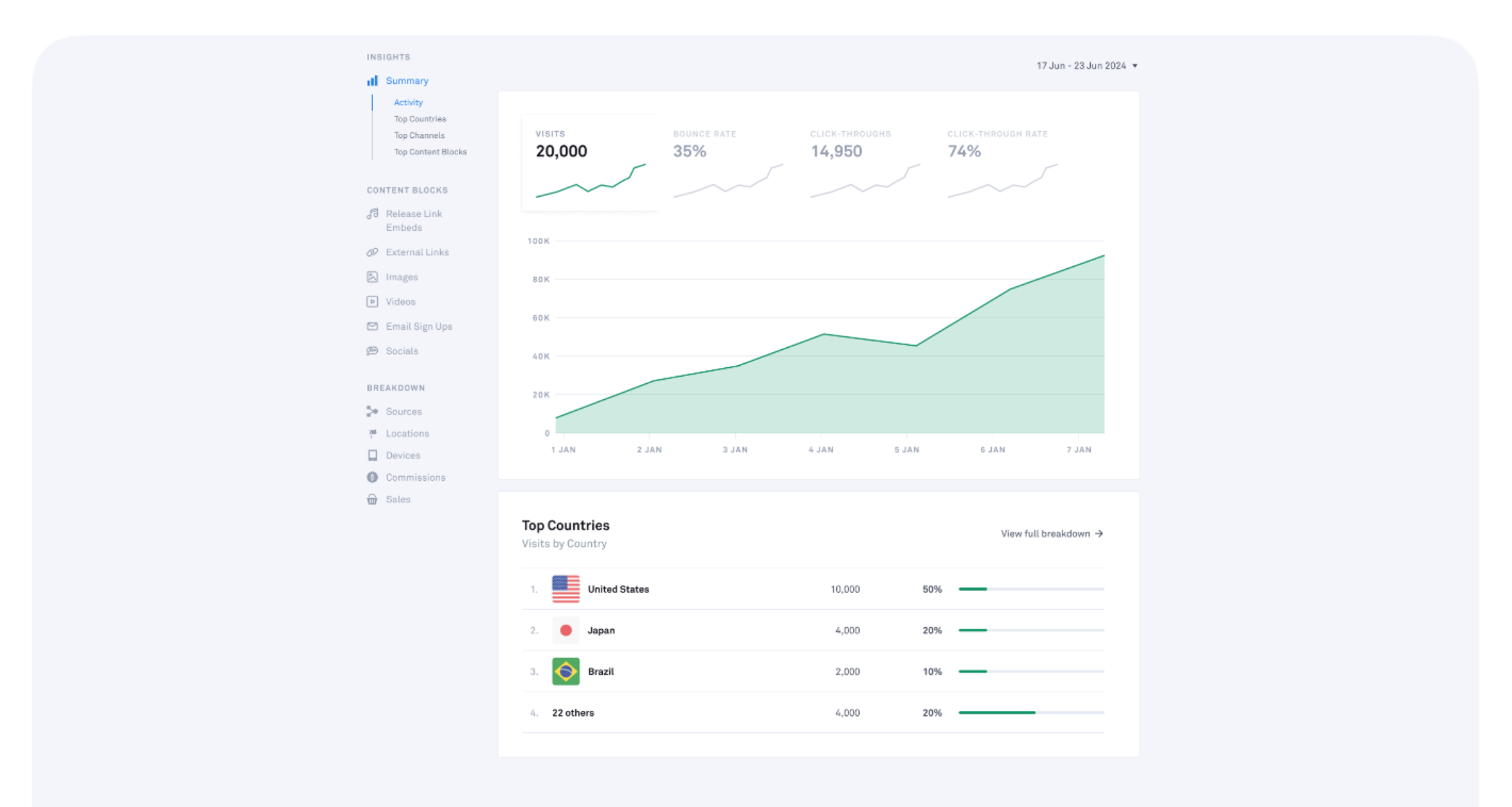
AI isn’t just counting clicks; it's analyzing the data around those clicks. This includes incredibly detailed information like the time of day a link was clicked, the geographic location of the user (handled with appropriate privacy measures, of course), and the type of device they were using. This alone is useful, but it's what AI does with this information where things get really interesting.
AI can also identify the referral source – meaning which social media platform the user came from – and even infer demographic information based on their behavior. More sophisticated AI models can even analyze the content of the linked page itself, performing sentiment analysis to understand the emotional response it evokes. This moves us closer to understanding why a user clicked in the first place.
AI predicts intent by looking at the context of the click. If a user arrives from a specific TikTok trend, the AI knows they aren't just browsing—they're looking for a specific product mentioned in that sound. This lets you swap links in real-time to match that readiness.
Imagine an AI flagging a sudden increase in clicks from a specific region, coinciding with a local event. That’s an opportunity to tailor your bio link content to that event and capitalize on the increased interest. Or consider AI identifying a correlation between clicks on a specific link and a particular time of day – suggesting that’s the optimal time to promote that link.
- Time of day
- Geographic location
- Device type
- Referral source (social platform)
- Inferred demographics
- Sentiment analysis of linked content
- Predicted intent
Handling Instagram and TikTok differently
Analytics needs vary significantly across platforms. Instagram, with its focus on visual content and curated feeds, demands a different approach than TikTok, which thrives on short-form video and trending sounds. Emerging platforms will undoubtedly present their own unique challenges and opportunities.
TikTok, in particular, presents a challenge due to its video-first format. Links are less prominently displayed than on Instagram, and tracking can be more difficult. AI can help overcome this by analyzing video content for relevant keywords and hashtags, and identifying trending sounds that drive traffic to your bio link. It can also help you understand which types of videos are most effective at driving conversions.
AI can adapt to these platform differences by tailoring its analysis to the specific characteristics of each platform. For example, on Instagram, AI might focus on identifying the optimal hashtags to use in your bio, while on TikTok, it might focus on identifying trending sounds. The key is to move beyond a one-size-fits-all approach and embrace platform-specific insights.
Forecasting link performance
Descriptive analytics tell you what happened in the past. Predictive analytics, powered by AI, aims to tell you what will happen in the future. This is a game-changer for bio link optimization. By analyzing historical data, AI can forecast the performance of new links, helping you prioritize your efforts and maximize your results.
Machine learning models can identify patterns and correlations that humans would miss. For instance, they might discover that links with specific keywords in the title consistently perform better, or that links shared on certain days of the week generate more traffic. These insights can then be used to inform your content strategy and optimize your bio link for maximum impact.
These models learn from your history to suggest the best time to swap links or which copy will likely convert. It turns the bio link into a proactive tool rather than a static list.
The potential benefits are significant. Imagine being able to predict which links will generate the most revenue, or which links will attract the most qualified leads. That’s the power of predictive analytics.
Personalization & Dynamic Content: Tailoring the Experience
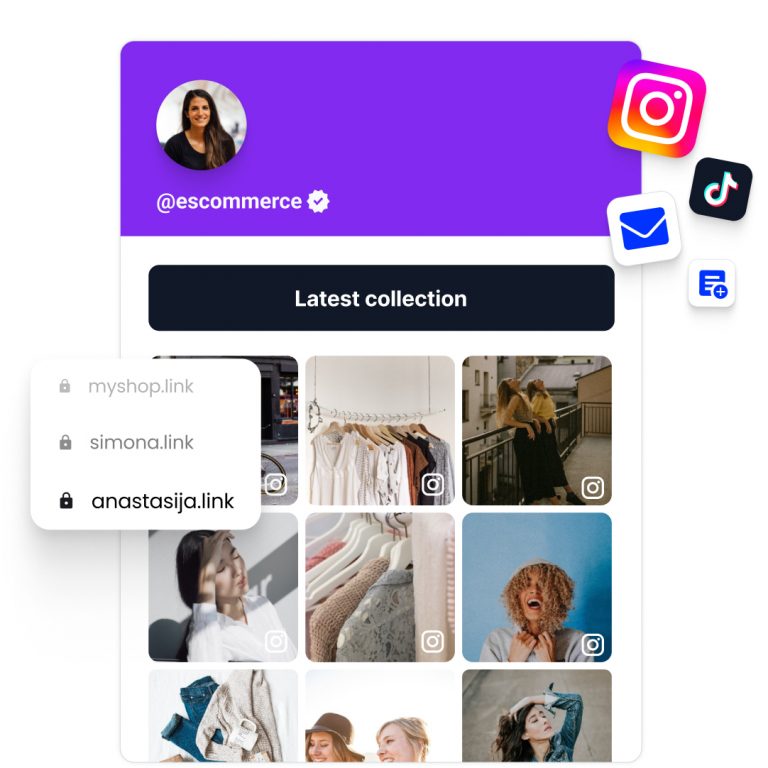
Taking personalization a step further, AI can dynamically adjust the content of your bio link based on user data. This means showing different content to different users, based on their location, demographics, or past behavior. This is a more advanced application of AI, but it has the potential to significantly improve engagement and conversion rates.
Dynamic content is content that changes based on user data. For example, a bio link for a clothing store could show different products to users in different regions, based on their local climate and fashion trends. Or it could show different promotions to new and returning visitors.
This level of personalization requires careful consideration of privacy concerns and data security. However, when implemented responsibly, it can create a more relevant and engaging experience for your audience. It’s about treating each user as an individual, rather than as part of a mass audience.
Current AI tools for bio links
Several tools are beginning to incorporate AI-powered bio link analytics. Your Custom Link is at the forefront, offering features designed to help you track and optimize your social media performance. Their platform focuses on providing a single, unified dashboard for managing all of your bio links, with AI-powered insights to help you identify what’s working and what’s not.
Your Custom Link’s offerings include detailed analytics on click-through rates, referral sources, and user demographics. They also provide tools for creating and customizing your bio links, as well as features for tracking conversions and measuring ROI. They position themselves as a solution for multi-platform bio link management, streamlining the process for users active across multiple social networks.
Your Custom Link is moving toward granular A/B testing for link configurations. Most tools in this space are currently shifting from simple hosting to these types of active optimization features.

No comments yet. Be the first to share your thoughts!