
Bio links are no longer an afterthought
For years, the bio link was an afterthought – a single URL on a profile, often leading to a website homepage. It was a necessary, but largely static, element. This felt especially limiting as social media became more central to how people discover brands and content. Now, we're seeing a fundamental shift. Bio links are evolving into dynamic, personalized hubs, and it’s a change driven largely by advancements in artificial intelligence.
The limitations of those early links were obvious. A single link couldn’t possibly represent everything a creator or brand wanted to offer. Link-in-bio tools like Linktree emerged to solve this, offering a list of links, but even that felt clunky and lacked nuance. It wasn't about the user experience; it was about maximizing real estate. AI changes that. It allows for a level of customization and responsiveness that simply wasn't possible before.
This isn’t simply adding a few extra features to existing tools. It’s a rethinking of the entire purpose of the bio link. It’s becoming a mini-landing page, a personalized gateway to a world of content. The goal isn't just to drive traffic away from the social platform, but to keep users engaged within that ecosystem, offering value and building relationships. We’re moving beyond just providing options, and towards curating experiences.
Personalization is the new standard
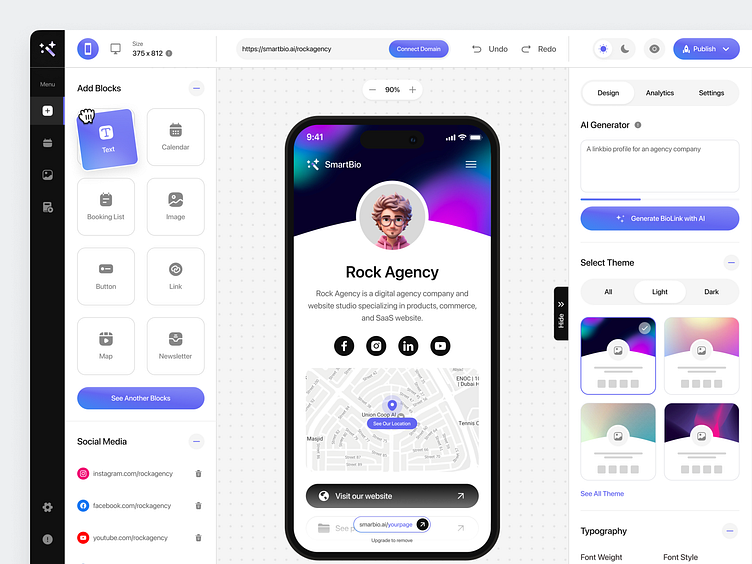
AI is enabling bio links to adapt to individual user behavior in ways we couldn’t have imagined even a few years ago. The days of a one-size-fits-all bio link are numbered. Instead, we’re seeing the rise of dynamic content that changes based on a user's demographics, interests, and past interactions with a brand or creator. This is far more sophisticated than simple A/B testing, which only shows two variations to a broad audience.
Imagine a musician whose bio link promotes different upcoming concerts based on a user's location, or a clothing brand that highlights specific products based on a user’s browsing history. These aren’t hypothetical scenarios; they're becoming increasingly common. The technology relies on data analysis – tracking things like click-through rates, time spent on specific content blocks, and even social media engagement – to build a profile of each user.
Full personalization is still expensive and difficult to maintain. Privacy remains a hurdle, but the demand for tailored content isn't going away. By 2026, expect these algorithms to be standard features rather than high-end add-ons.
Here are some examples of how AI is personalizing bio links:
Different content based on location Product recommendations based on purchase history Promotions tailored to user interests Language adjustments based on user preferences
AI-Driven Bio Link Features
- Personalized Product Recommendations - Bio links can leverage purchase history data to showcase products a user is more likely to buy, moving beyond generic offers.
- Funnel-Stage CTAs - AI can analyze user interactions to determine where they are in the marketing funnel (awareness, consideration, decision) and dynamically adjust the call-to-action accordingly – for example, offering a discount to users nearing the decision stage.
- Multilingual Content Display - Bio links can detect a user’s preferred language (often inferred from social media settings or browser data) and present content in that language, increasing engagement with a wider audience.
- Location-Based Event Promotion - By utilizing location data (with user permission, of course), bio links can highlight events, promotions, or store locations relevant to the user’s current geographical area.
- Interest-Based Content Prioritization - AI algorithms can analyze a user’s social media activity and expressed interests to prioritize content within the bio link that aligns with those preferences.
- Aesthetic Theme Adaptation - Bio links can dynamically adjust their visual theme – colors, fonts, and layout – to match a user’s inferred aesthetic preferences, creating a more personalized and visually appealing experience.
- Predicted Engagement Ranking - AI can predict which content pieces a user is most likely to engage with and prioritize their display within the bio link, maximizing click-through rates.
Interactive blocks replace static buttons
We’ve moved beyond simply listing links. The real innovation lies in the rise of interactive content blocks within bio links. These aren’t just eye candy; they’re powerful tools for increasing engagement and capturing leads directly from the bio link. Think embedded forms for email sign-ups, mini-games to promote a product launch, quizzes to gather user data, and even basic e-commerce functionality.
For example, a podcast creator could embed a short audio clip directly into their bio link, allowing listeners to sample their latest episode. A restaurant could include a reservation form, eliminating the need for users to navigate to a separate website. A beauty brand could host a quick skin type quiz, then recommend products based on the results. These aren’t gimmicks; they’re about providing immediate value and reducing friction.
These blocks sync directly with CRMs and email lists. When someone takes a quiz or signs up for a newsletter in your bio, that data moves into your marketing stack immediately. This turns a simple link into a lead generation tool that actually talks to the rest of your software.
Predicting what users want
AI isn't just about personalization; it's also about optimization. Sophisticated tools are now using predictive analytics to forecast the performance of different bio link configurations. This means analyzing click-through rates, conversion rates, and user behavior to identify what works best – and automatically adjusting the bio link accordingly. It’s data-driven decision making taken to its logical extreme.
The algorithms behind these tools are complex, and often proprietary. I'm not sure about the exact methodologies used by each platform, but the general principle is to identify patterns and correlations between different elements of the bio link and user engagement. This could include testing different calls to action, rearranging content blocks, or even adjusting the visual design.
It’s important to acknowledge the "black box’ nature of some of these tools. While they can provide valuable insights, it"s often difficult to understand why a particular configuration is performing well. This requires a degree of trust in the underlying algorithms, and a willingness to experiment. However, the potential benefits – increased engagement, higher conversion rates, and a more effective bio link – are significant.
- A/B test different calls to action
- Analyze click-through rates on content blocks
- Monitor user engagement metrics
- Adjust bio link layout based on performance data
Dynamic QR codes bridge the physical gap
The combination of dynamic QR codes and AI-powered bio links is a particularly interesting development. Dynamic QR codes aren’t static; their destination URL can be changed after the code has been generated. This allows for offline-to-online conversions and personalized experiences that weren’t possible before. Imagine a QR code on a concert poster that leads to a bio link tailored to the user’s location and musical preferences.
This is particularly useful for events, marketing campaigns, and retail environments. A restaurant could use a QR code on its menus to direct customers to a personalized bio link with online ordering options and exclusive promotions. A retail store could use QR codes on product displays to provide additional information and encourage online purchases. The possibilities are endless.
The key is the ability to track and analyze QR code scans, and to use that data to personalize the subsequent bio link experience. This creates a seamless bridge between the physical and digital worlds, and allows brands to engage with customers in a more meaningful way.

Privacy and the road ahead
The rise of AI-powered personalization raises important ethical considerations. Data privacy is paramount. Users need to be informed about how their data is being collected and used, and they should have the ability to opt out. Algorithmic bias is another concern. If the algorithms used to personalize bio links are biased, they could perpetuate harmful stereotypes or discriminate against certain groups.
Looking ahead, I expect to see even more sophisticated AI integrations, including features like predictive content creation and real-time personalization. We might also see the emergence of new bio link formats, such as interactive video experiences or augmented reality applications. The line between bio link and mini-website will continue to blur.
Bio links are turning into mini-websites that adapt to the person clicking them. As long as platforms keep limiting us to one or two profile links, these tools will remain the most efficient way to manage a digital footprint.
Bio Link Tool Feature Comparison (Projected 2026)
| Feature | Instagram Integration | TikTok Integration | Other Platform Integration |
|---|---|---|---|
| Automated Scheduling | Full Integration | Partial Integration | Partial Integration |
| Hashtag Suggestions | Partial Integration | Full Integration | Limited Integration |
| Audience Targeting | Partial Integration | No Integration | Limited Integration |
| Analytics | Full Integration | Full Integration | Partial Integration |
| E-commerce Integration | Full Integration | Partial Integration | Partial Integration |
| AI-Powered Content Recommendations | Partial Integration | Partial Integration | Limited Integration |
| Link Customization Options | Full Integration | Full Integration | Full Integration |
Illustrative comparison based on the article research brief. Verify current pricing, limits, and product details in the official docs before relying on it.
6. Mekanisme fan projectnya gimana?
— ginamjoon (@gintuull) April 14, 2026
7. di instagram link forms fundingnya kok di bio? yang mana pasti gak bisa di klik. kamu open bio lau ada bio links, nah kamu drop disitu ya saayyy.
dan alangkah baiknya kamu take down dulu forms fundingsnya. open lagi setelah semua jelas

No comments yet. Be the first to share your thoughts!