
The Invisible ROI Killer
I recently spoke with Sarah, a bakery owner in Chicago, who was pulling her hair out. She’d spent months building a strong Instagram following, consistently posting beautiful photos of her creations. Yet, website traffic from Instagram was… disappointing. She wasn’t sure what was going wrong. This is a surprisingly common story. The problem? Often, it's not the social media content itself, but what happens after someone clicks the link in your bio.
A poorly optimized bio link is a massive leak in your marketing funnel. You’re driving traffic, but failing to convert those visitors into customers or leads. For years, bio links were simple lists of URLs. Now, they’ve evolved into mini-landing pages, capable of much more than just directing traffic. They’re a prime piece of digital real estate, and most people aren’t taking full advantage.
I've identified five specific errors that drain social media budgets. Most of these don't require a total overhaul, just small adjustments that actually turn followers into customers.
The choice paralysis trap
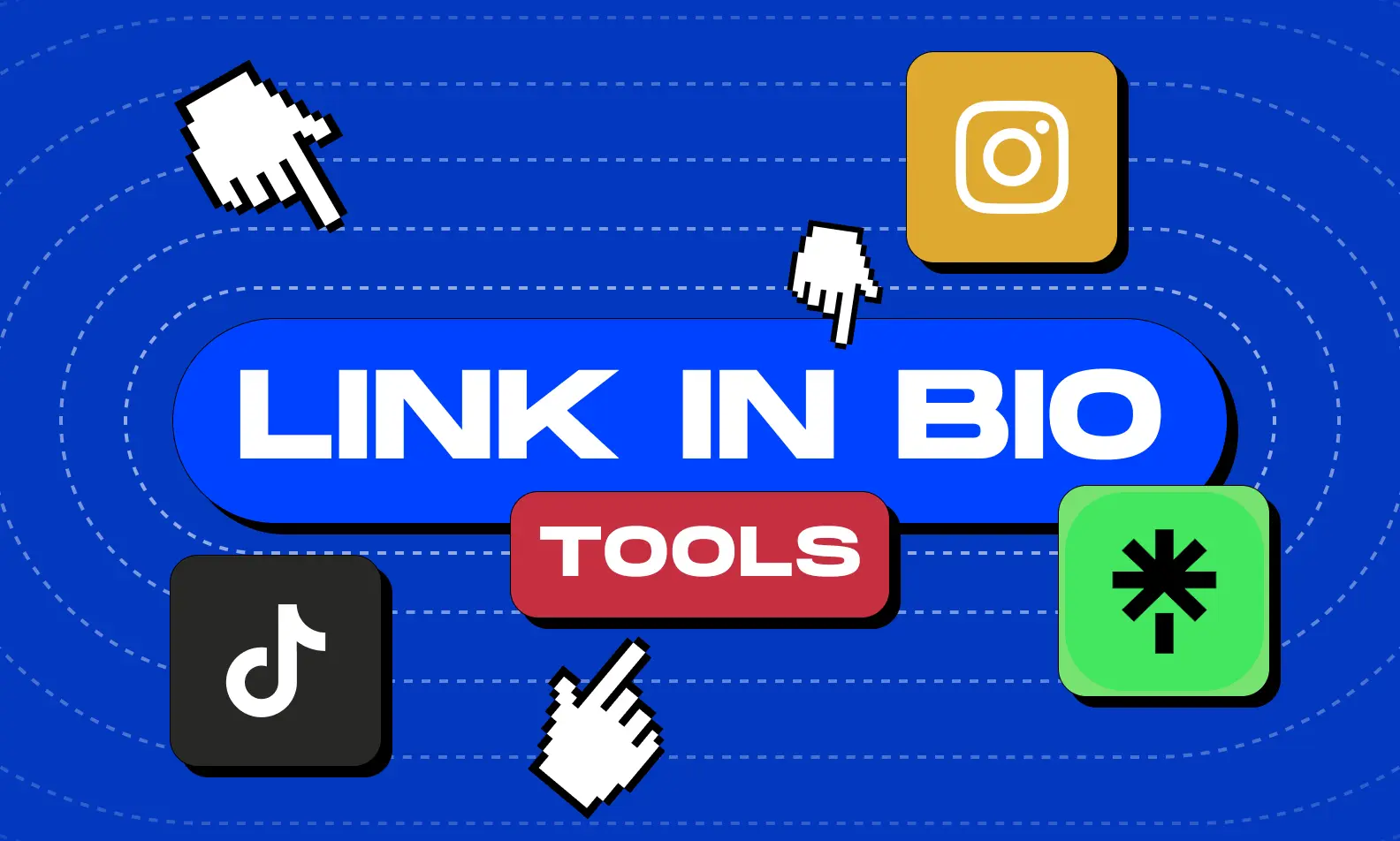
One of the biggest errors I see is overwhelming visitors with too many options. Think about it: someone clicks your bio link, and they’re immediately presented with a wall of text and dozens of buttons. It's paralyzing. This phenomenon, known as choice paralysis, actually reduces the likelihood of someone taking any action at all.
The ideal number of links varies slightly by platform. On Instagram, aim for no more than five to seven prominent links. TikTok users generally have even shorter attention spans, so three to five is a safer bet. The goal isn't to showcase everything you do, but to guide visitors toward your most important conversion points.
Consider that the average user spends just a few seconds on a bio link page. A long list forces them to scan and evaluate too many choices in that limited time. Less is truly more. Prioritize your key offerings—a new product launch, a lead magnet, your latest blog post—and focus on driving traffic there.
Designing for thumbs first
This seems obvious in 2026, but it’s still a huge problem. The vast majority of bio link traffic—easily 85% or more—comes from mobile devices. If your bio link page isn’t fully optimized for mobile, you’re losing a significant portion of your potential conversions. It's not enough to just say your page is responsive; it needs to be designed with mobile in mind from the start.
Slow loading times are a mobile killer. Pages that take longer than three seconds to load see a dramatic drop-off in engagement. Concise copy is also essential. Long paragraphs of text are difficult to read on a small screen. Use clear headings, bullet points, and strong calls to action. Button design matters too—make sure they’re large enough to tap easily and clearly labeled.
Platforms like bio.link really emphasize this mobile-first approach, building their interfaces with smaller screens as the primary focus. Desktop-focused designs often feel clunky and awkward on mobile. A clean, streamlined experience is crucial for maximizing engagement and driving conversions. It’s a fundamental shift in thinking.
- Optimize images so the page loads in under two seconds.
- Cut the word count so users don't have to scroll forever to find a button.
- Use high-contrast buttons that are easy to tap with a thumb.
Flying blind without data
You wouldn’t run a social media campaign without tracking its performance, would you? The same principle applies to your bio link. Ignoring analytics is like flying blind. You need to understand what’s working and what’s not to optimize your page for maximum impact.
Key metrics to monitor include click-through rates (CTR) for each link, the overall popularity of different links, and visitor demographics. Which links are getting the most clicks? Where are your visitors coming from? What devices are they using? This data provides valuable insights into your audience’s behavior.
Tools like Your Custom Link, bio.link, and lnk.bio all offer detailed analytics dashboards. Use this information to identify underperforming links and make adjustments. A/B testing is also incredibly powerful. Experiment with different button text, images, and layouts to see what resonates best with your audience. Small changes can yield significant results.
Don’t just set it and forget it. Regularly review your analytics and make data-driven decisions. This is an ongoing process of refinement and optimization. It’s about understanding what your audience responds to and tailoring your bio link page accordingly.
The cost of generic templates
Your bio link page isn’t just a list of links; it’s an extension of your brand. A generic, unbranded page looks unprofessional and erodes trust. It tells visitors you haven’t put much thought into their experience.
Consistency is key. Use your brand colors, fonts, and logos on your bio link page. Maintain a consistent visual identity across all your marketing materials. This reinforces brand recognition and builds credibility. A cohesive brand experience is crucial for fostering customer loyalty.
Thankfully, many platforms offer extensive customization options. Your Custom Link, for example, allows you to create a fully branded experience that seamlessly integrates with your overall marketing strategy. Don’t settle for a cookie-cutter template. Invest the time to create a page that truly reflects your brand’s personality and values.
Moving beyond static links
Static pages don't change as your business does. When you keep the same five links for six months, you miss chances to capture interest. Fresh content gives people a reason to click more than once.
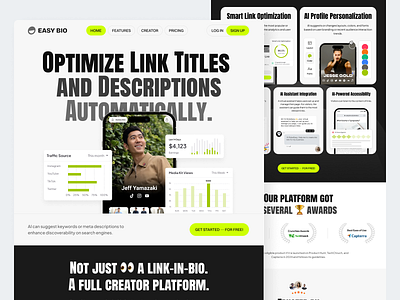
Consider adding features like email capture forms to build your email list. Social feeds can showcase your latest posts and increase engagement. Embedded videos can provide a more immersive experience. These elements transform your bio link page from a simple directory into a valuable marketing asset.
bio.link has been pushing the envelope with AI-powered greeting and guidance features. These features personalize the visitor experience and can significantly increase conversion rates. Limited-time offers and promotions can also create a sense of urgency and drive immediate action. Think about running a special discount code exclusively for bio link visitors.
The goal is to create a bio link page that’s constantly evolving and providing value to your audience. A dynamic page is more engaging, more effective, and ultimately, more profitable.
Bio Link Platform Feature Comparison (2026)
| Feature | Your Custom Link | bio.link | lnk.bio |
|---|---|---|---|
| Customization | Strong | Good | Basic |
| Analytics | Strong | Good | Basic |
| Dynamic Content | Strong | Good | Basic |
| Email Capture | Strong | Good | Basic |
| AI Features | Strong | Good | None |
Illustrative comparison based on the article research brief. Verify current pricing, limits, and product details in the official docs before relying on it.

No comments yet. Be the first to share your thoughts!