
Why Your Instagram Bio Link Isn't Just a URL Anymore
Remember when the Instagram bio link was…just that? A single URL you could paste in, hoping it’d send people where you wanted. Those days feel distant now. Instagram has evolved, and so have our expectations for that little link. It’s no longer acceptable to simply point followers to one place; they expect a curated experience.
The shift happened gradually. As Instagram became a more central part of marketing, businesses realized the limitations of a single link. Trying to promote multiple products, blog posts, or events with one destination felt clunky and ineffective. It was frustrating for users too, who’d have to guess which link was relevant to the content they just saw.
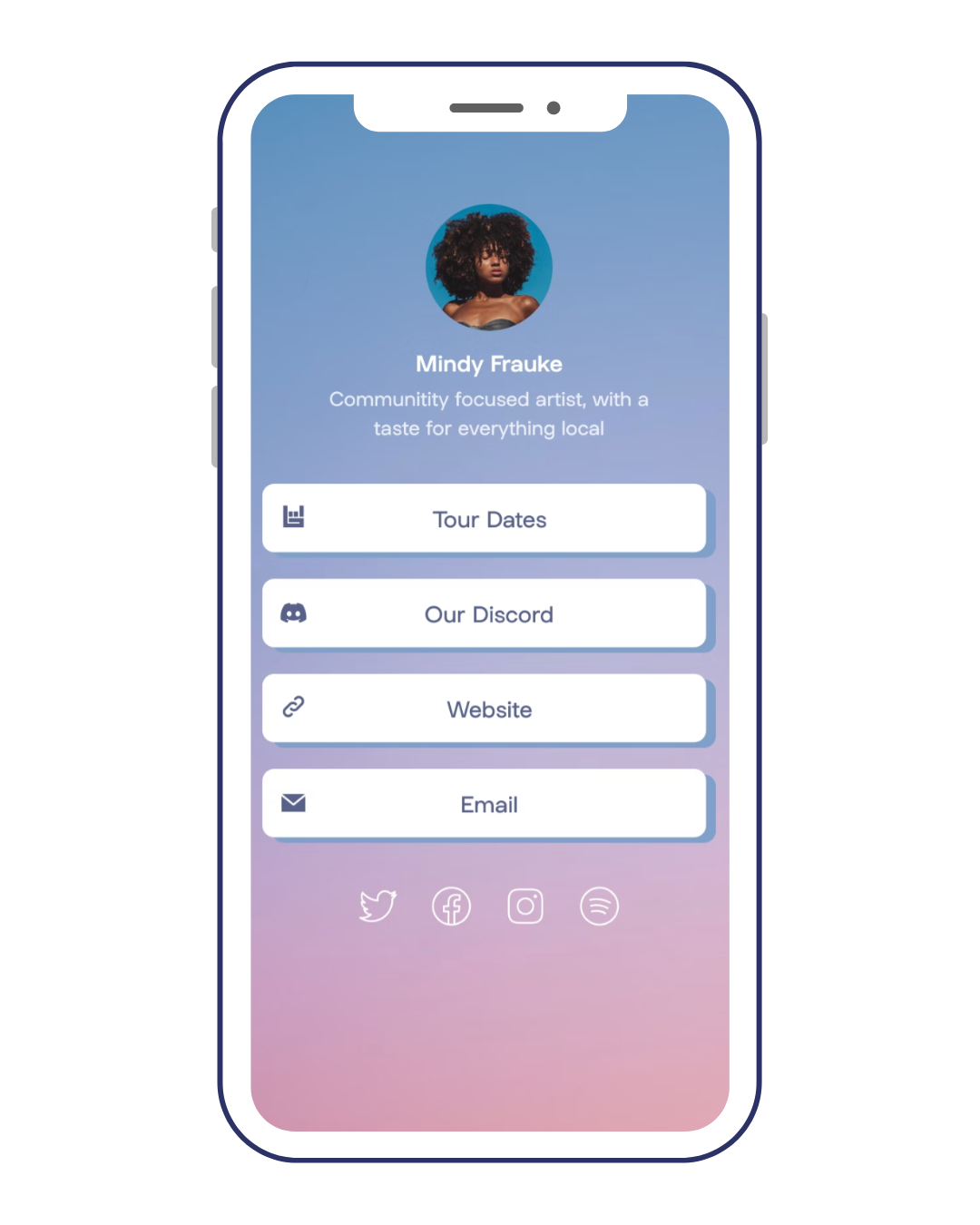
This frustration fueled the rise of "link-in-bio" tools. These platforms essentially create a mini-website accessible through your Instagram bio link. Instead of a single dead end, you offer a hub with multiple options. That single link is now a primary touchpoint. It is where you present your full range of offers, making it a requirement for anyone marketing on the platform.
I’ve seen businesses dramatically increase engagement simply by moving away from a single link and embracing a dedicated link-in-bio page. It’s not just about aesthetics; it’s about respecting your audience’s time and providing a seamless experience. It’s a small change that can deliver significant results.
Understanding the Core Components of a High-Converting Link in Bio
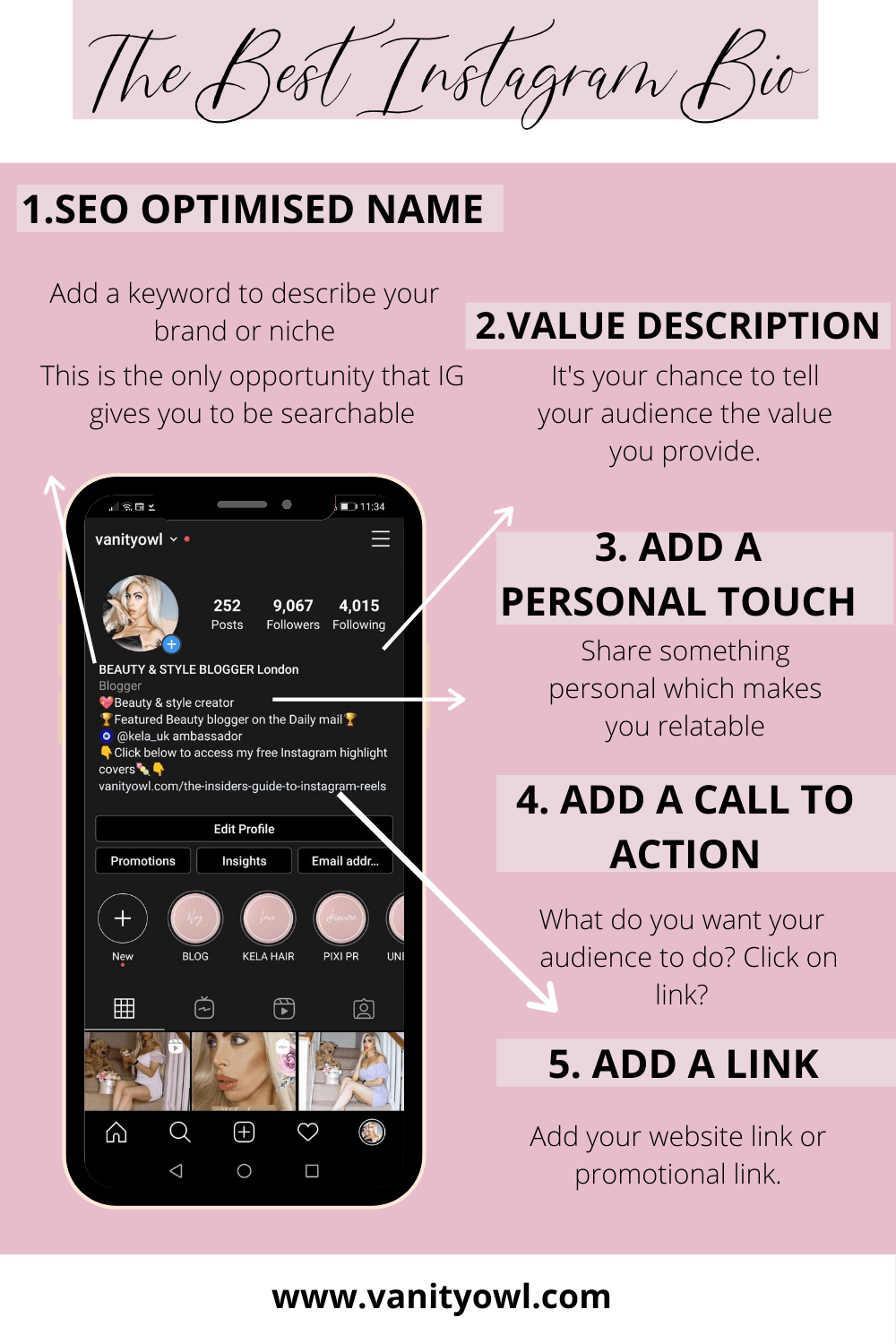
A successful link-in-bio isn’t just a list of links; it’s a landing page designed to convert visitors. The first thing you need is a clear understanding of what you want people to do. What's the primary action you want them to take? Is it to shop a new collection, read your latest blog post, or sign up for your email list?
That desired action should be reflected in your call to action (CTA). Use strong, action-oriented language. Instead of “Learn More,” try “Shop Now” or “Download Your Free Guide.” The CTA should be visually prominent, making it easy for users to click. Don't bury it amongst a sea of other options.
Visual consistency matters. Your page should look like your Instagram feed. Match your brand colors and fonts so visitors know they are in the right place. A jarring disconnect can cause visitors to bounce. Most importantly, remember that the vast majority of your audience will be viewing this on their phones, so mobile optimization is non-negotiable.
Finally, and this is often overlooked, track everything. Analytics are your best friend. Most link-in-bio tools offer basic tracking, but you can also integrate with Google Analytics using UTM parameters to get more detailed insights. Understanding your click-through rates and conversion rates will help you refine your strategy over time.
Popular Link-in-Bio Tools: A Quick Comparison
The market for link-in-bio tools is surprisingly crowded. Here’s a look at some of the most popular options, along with their strengths and weaknesses. Linktree is probably the most well-known, offering a free plan with limited features and paid plans for more customization. It’s easy to use and integrates with many other platforms.
Lnk.Bio stands out with its focus on simplicity and affordability. They offer a lifetime deal option, which can be very appealing for those looking for a one-time investment. They also have agency/multi-account features, useful for managing multiple clients or brands, with over 1,500,000 creators using the platform.
Your Custom Link focuses heavily on customization and analytics. They provide more detailed tracking data than some of the other options, and they offer a wider range of design options. I've found their interface to be particularly user-friendly for building branded experiences.
Beacons takes a slightly different approach, offering features like email capture forms and a built-in storefront. It’s geared towards creators who want to monetize their audience directly. Campsite is another solid option known for its clean design and ease of use. It's a good choice for those who want a simple, straightforward solution.
Choosing the "best’ tool depends on your specific needs and budget. There"s no one-size-fits-all answer. Consider what features are most important to you, and try out a few free trials before committing to a paid plan.
Link in Bio Platform Comparison - 2024
| Ease of Use | Customization | Analytics | Free Plan | Key Strengths |
|---|---|---|---|---|
| Linktree | Moderate | Basic | Yes | Widely recognized, simple setup, broad compatibility. |
| Lnk.Bio | Easier | Basic | Yes | Focus on simplicity and direct linking, straightforward interface. |
| Your Custom Link | High | Detailed | Yes | Highly customizable design, strong analytics for tracking performance, designed for optimization. |
| Beacons | Moderate | Medium | Yes | Offers website building features alongside link aggregation, good for content creators. |
| Campsite | Easy | Medium | Yes | User-friendly, focuses on visual appeal and quick link updates, integrates with various platforms. |
Qualitative comparison based on the article research brief. Confirm current product details in the official docs before making implementation choices.
Beyond the Basics: Advanced Strategies for Instagram Bio Link Optimization
Once you’ve chosen a link-in-bio tool and have a basic page set up, it’s time to explore more advanced strategies. One of the most effective things you can do is use UTM parameters to track your campaigns in Google Analytics. This allows you to see exactly which links are driving traffic and conversions.
Instead of just linking to a blog post, create dedicated landing pages for specific campaigns. This gives you more control over the user experience and allows you to tailor your message to a specific audience. For example, if you’re running a promotion for a new product, create a landing page that highlights the benefits of that product and includes a clear call to action.
Lead magnets are a powerful way to capture email addresses. Offer something valuable in exchange for a visitor’s email, such as a free ebook, a discount code, or access to exclusive content. This allows you to build your email list and nurture leads over time.
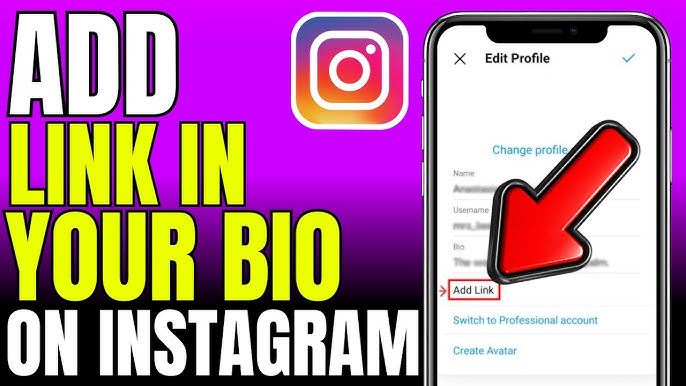
Consider using a short, memorable vanity URL for your link-in-bio page. This makes it easier to remember and share. Many link-in-bio tools allow you to customize your URL. I've found that a branded URL looks more professional and builds trust with your audience.
Don't be afraid to experiment. A/B test different CTAs, layouts, and images to see what resonates best with your audience. Continuously analyze your data and make adjustments based on your findings.
Content Strategies That Thrive in a Link-in-Bio Format
The content you feature on your link-in-bio page should align with your overall Instagram strategy. Blog post promotion is a classic use case. Share links to your latest articles, along with compelling headlines and images. Product showcases are also effective, especially if you’re an e-commerce business. Highlight your best-selling products or new arrivals.
If you’re hosting an event, use your link-in-bio to provide event details and registration information. Event registration is streamlined when users can access everything they need from one central location. Similarly, email list building can be boosted by offering a valuable lead magnet on your page.
Affiliate marketing is another popular option. Share links to products you recommend and earn a commission on sales. Your Custom Link has a comprehensive guide to Amazon Affiliate Links, which can be a great starting point if you're interested in this strategy. I've seen several brands successfully use their link-in-bio to drive affiliate revenue.
One brand I’ve been following, a small skincare company, saw a 30% increase in website traffic after revamping their link-in-bio page to focus on a specific product launch. They used a combination of compelling visuals, a clear CTA, and a limited-time discount code.
Instagram Link in Bio: FREE Custom Page for MAX Conversions! (2024 Guide)
YourCustomLink
Watch on YouTube →Measuring Success: Key Metrics to Track for Your Bio Link
Tracking the right metrics is crucial for understanding the effectiveness of your link-in-bio strategy. Click-through rates (CTR) tell you how many people are clicking on your links. Conversion rates measure how many people are completing a desired action, such as making a purchase or signing up for your email list.
Bounce rates indicate the percentage of visitors who leave your link-in-bio page without clicking on any links. A high bounce rate could suggest that your page isn’t engaging or that your links aren’t relevant. Time on page shows how long visitors stay before leaving. If they linger but don't click, your copy might be interesting but your offer isn't clear.r page, which can be a good indicator of engagement.
Use these metrics to identify what’s working and what’s not. Are certain links performing better than others? Are people spending more time on pages with specific types of content? Use this data to refine your strategy and optimize your page for better results.
A/B testing is a powerful technique for improving your link-in-bio performance. Test different CTAs, layouts, and images to see what resonates best with your audience. While specific benchmarks vary by industry, focus on consistently improving your own metrics over time.
Future Trends in Instagram Bio Links: What's Next?
The link-in-bio space is constantly evolving. It's possible that Instagram will eventually offer more robust link-in-bio features natively, reducing the need for third-party tools. However, I suspect that dedicated link-in-bio platforms will continue to thrive by offering more customization and advanced features.
We’re already seeing more integration with shopping features, and I expect this trend to continue. The ability to seamlessly purchase products directly from your link-in-bio page will become increasingly important. Personalization is another area to watch. Tailoring the content of your link-in-bio page to individual users based on their interests and behavior could significantly improve engagement.
The evolution of TikTok Shop Bio Link Setup is also worth noting. As TikTok continues to grow in popularity, the demand for effective bio link solutions on that platform will also increase. We may see more tools that cater specifically to TikTok creators.
Ultimately, the future of Instagram bio links is about providing a seamless and personalized experience for users. Those who can adapt to these changes and embrace new technologies will be best positioned to succeed.

No comments yet. Be the first to share your thoughts!