
Bio link changes coming in 2026
Instagram bio links change fast. We went from one link to a multi-link world almost overnight, and 2026 looks even more crowded. Right now, the single link is still the base, but how we use it is shifting toward deeper integration within the app.
The push towards more immersive and interactive experiences is a clear trend. Instagram wants to keep users within its ecosystem for longer, and bio links are a point of egress. Expect to see features designed to subtly encourage users to stay engaged even as they click away. This could mean richer previews of linked content, or more seamless integration with Instagram’s own tools. It's not simply about adding features, but about subtly directing user behavior.
Beyond Instagram itself, the importance of a well-optimized bio link extends to other platforms. TikTok, X, and even platforms like YouTube are increasingly reliant on the "link in bio’ concept. A centralized solution for managing these links is becoming essential. We"re seeing a growing demand for tools that can handle cross-platform link management, analytics, and customization. This isn't just an Instagram problem; it's a broader social media challenge.
Instagram’s stated goals – fostering creativity, building community, and providing value to users – will continue to shape the evolution of bio links. Features that support these goals are more likely to be prioritized. I believe we'll see a move towards more flexible and personalized bio link experiences, allowing users to better showcase their brand and connect with their audience. This will require a proactive approach to optimization, rather than simply setting it and forgetting it.
Instagram’s New ‘Collections’ Feature
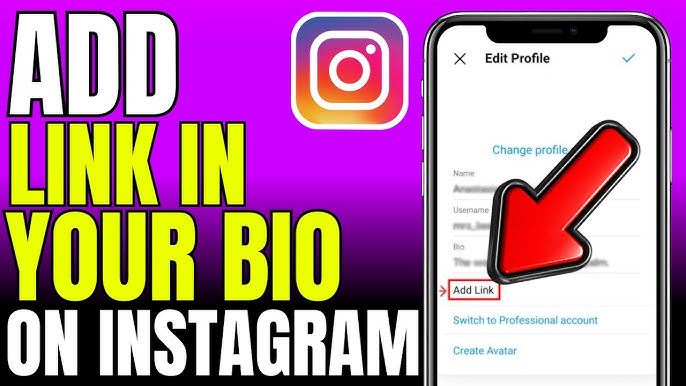
Late 2024 saw the release of Instagram’s 'Collections' feature within the link sticker. This is a significant update, allowing users to group links into categorized collections. Instead of sending followers to a single landing page, you can now offer curated pathways to different types of content – blog posts, product pages, event registrations, and so on. It’s a move towards a more organized and user-friendly experience.
The initial reception has been largely positive, with brands experimenting with different ways to structure their collections. Some are grouping links by product category, others by content type, and still others by campaign theme. I've noticed a trend towards using Collections to highlight seasonal promotions or limited-time offers. It’s a way to create a sense of urgency and encourage immediate action. The key is to think about what your audience wants and how you can make it easy for them to find it.
Currently, analytics for Collections are relatively basic, limited to overall click counts for each collection. This is a major area for potential improvement. I suspect that by 2026, Instagram will offer more granular data, such as click-through rates for individual links within a collection, dwell time on linked pages, and even demographic data of users who access specific collections. This data would be invaluable for optimizing your link strategy.
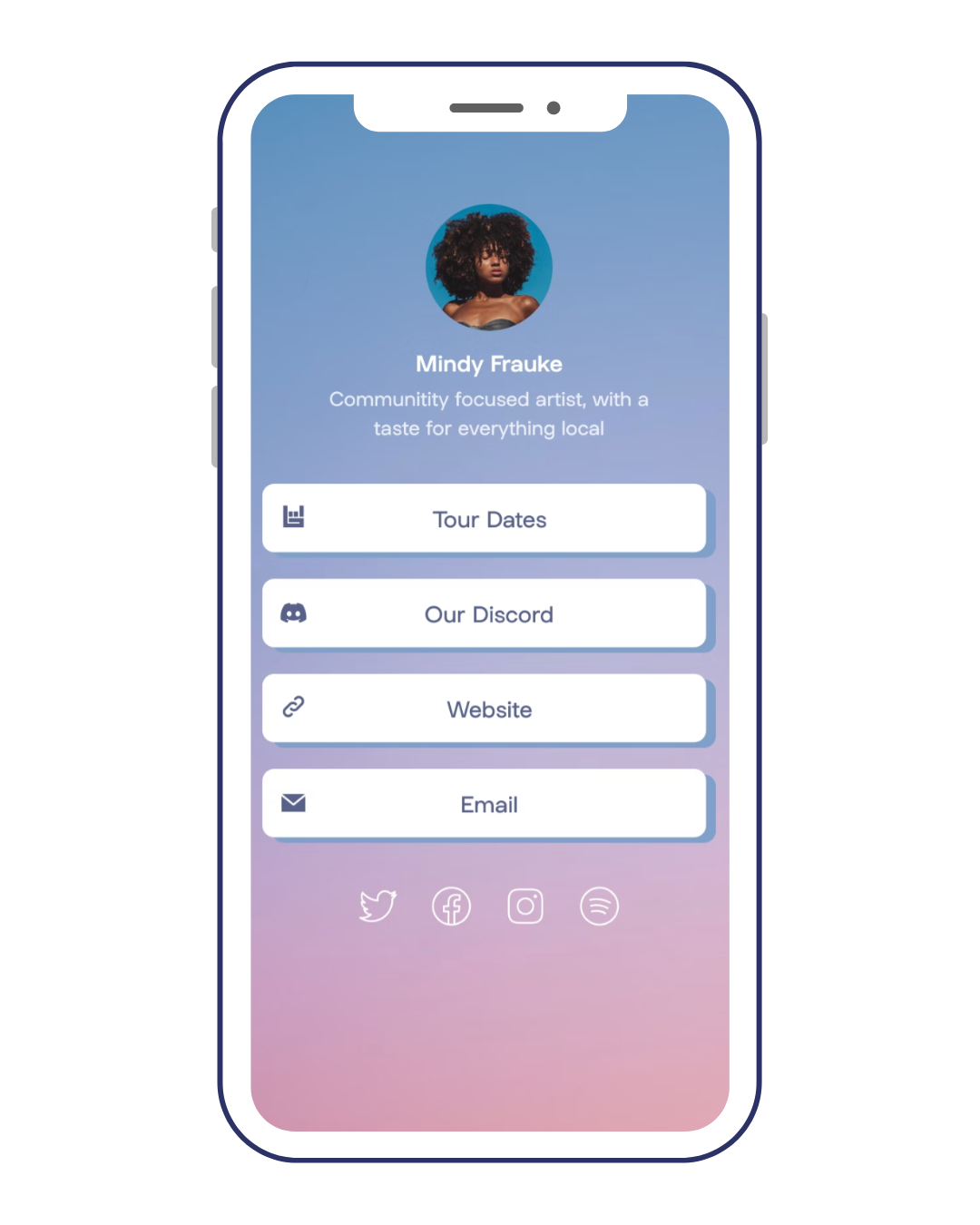
Brands are already finding creative ways to use Collections. For example, a clothing retailer might create collections for 'New Arrivals,' 'Sale Items,' and 'Gift Ideas.' A musician could create collections for 'Tour Dates,' 'Music Videos,' and 'Merchandise.' The possibilities are endless. The feature provides a much cleaner user experience than a long list of links, and it allows you to tell a more compelling story.
- Open your profile and tap 'Edit Profile' then 'Links'.
- Step 2: Tap 'Edit Profile' and then 'Links'.
- Step 3: Tap 'Add external links' and begin creating your collections.
- Step 4: Name your collection and add the relevant links.
- Step 5: Save your collection and repeat for additional categories.
Better analytics than just click counts
Instagram’s current bio link analytics are pretty thin. A click count doesn't tell you what happens after the tap. I expect that by 2026, we'll see data that actually helps us make decisions, like how long someone stays on the page or if they actually bought something.
What kind of data are users asking for? Dwell time on linked pages is a big one – how long are people spending on your website after clicking through? Conversion rates are also crucial – are clicks translating into sales, leads, or other desired outcomes? Demographic data of clickers (age, gender, location) would provide valuable insights into your audience. However, Instagram will need to balance these data requests with user privacy concerns.
The limitations of native analytics create an opportunity for third-party tools. Platforms like Your Custom Link provide more comprehensive tracking and reporting, including features like A/B testing, UTM parameter tracking, and custom analytics dashboards. These tools can fill the gaps in Instagram’s data and provide a more complete picture of your bio link performance. It's about going beyond vanity metrics and focusing on data that drives real results.
I'm not convinced Instagram will ever offer everything users want in terms of analytics. Privacy regulations and internal data policies will likely limit the scope of data sharing. However, I expect to see significant improvements in the areas of click-through rates, audience demographics, and potentially even basic conversion tracking. Being prepared to supplement this with third-party analytics is a smart move.
- Click-Through Rate (CTR): Percentage of profile visitors who click your link.
- Dwell Time: Average time spent on the linked page.
- Conversion Rate: Percentage of clicks that result in a desired action (e.g., purchase).
- Audience Demographics: Age, gender, location of link clickers.
Instagram Native Analytics vs. Your Custom Link Analytics
| Feature | Your Custom Link | |
|---|---|---|
| Click Count | Yes | Yes - with detailed source attribution |
| Dwell Time | No | Yes - provides insights into time spent on each linked destination |
| Conversion Tracking | Limited - relies on external tools and UTMs | Yes - built-in tools for tracking conversions across multiple platforms |
| Demographic Data | Limited - basic demographic insights | Better for - integrates with broader analytics for richer demographic understanding |
| UTM Parameter Support | Yes | Yes - and automatically tracks and reports on UTM parameters |
| Link Specific Data | No | Yes - provides detailed performance metrics for each individual link |
| Multi-Platform Support | No | Yes - consolidates analytics from various social platforms |
| Customization | Limited | Better for - offers more flexible reporting and data visualization |
Qualitative comparison based on the article research brief. Confirm current product details in the official docs before making implementation choices.
Interactive bio links
Instagram is clearly focused on interactive content – Reels, Stories, polls, quizzes. It stands to reason that this trend will extend to bio links. I predict we’ll see more ways to make bio links themselves interactive, transforming them from simple pathways to dynamic engagement opportunities. This is a bit more speculative, but I think it's a logical progression.
Imagine embedding a short quiz in your bio link that helps users determine which product is right for them. Or a poll that asks users what type of content they want to see more of. Or even a mini-game that offers a discount code as a reward. These types of interactive experiences can significantly increase engagement and drive conversions. The key is to make it fun and valuable for the user.
Brands on other platforms are already experimenting with similar concepts. TikTok, for example, allows users to create interactive branded effects and challenges. These lessons can be applied to Instagram. The challenge will be to create interactive experiences that are optimized for mobile devices and that seamlessly integrate with Instagram’s existing features. It’s a technical hurdle, but one that I believe will be overcome.
This isn’t about replacing traditional links altogether. It’s about adding another layer of engagement and providing users with a more immersive experience. Interactive bio links can be particularly effective for brands that want to build a strong relationship with their audience and drive repeat business. It’s a way to turn a passive click into an active interaction.
What Kind of Bio Link Strategy Suits Your Brand?
Instagram's bio link is prime real estate. With evolving features and user behavior, tailoring your strategy is crucial for maximizing engagement in 2026. This quiz will help you determine the best approach for your brand, whether it's driving traffic to valuable content, capturing leads, or directly boosting sales.
TikTok Integration & Cross-Platform Strategies
Instagram and TikTok are competitors, yes, but they're also increasingly intertwined. Many users are active on both platforms, and they expect a consistent brand experience. This makes cross-promotion essential. Your bio link is a crucial component of this strategy. It’s a way to drive traffic between platforms and reach a wider audience.
Using consistent branding across both platforms is paramount. Your profile picture, username, and overall aesthetic should be recognizable. Your bio link should also reflect this consistency. Consider using a branded short link that directs users to a central landing page with links to both your Instagram and TikTok profiles. This creates a seamless experience and reinforces your brand identity.
Tracking performance across platforms is also crucial. Use UTM parameters to track which links are driving the most traffic and conversions. This data will help you optimize your cross-promotion strategy and allocate your resources effectively. Your Custom Link and similar tools make this relatively straightforward.
Tailoring content to each audience is equally important. What works on Instagram may not work on TikTok, and vice versa. Understand the nuances of each platform and create content that resonates with its respective audience. Your bio link can play a role in this by directing users to platform-specific content. It's about recognizing that each platform serves a different purpose and caters to a different demographic.
Affiliate Link Best Practices (and Risks)
Affiliate marketing through bio links is a popular way to monetize your Instagram presence. However, it’s also fraught with potential risks. Instagram has strict policies regarding affiliate links, and failing to comply can result in account suspension. Transparency and disclosure are paramount.
Always disclose your affiliate relationships clearly and conspicuously. Use language like “#ad” or “#sponsored” to indicate that you may receive a commission if users click your link and make a purchase. Don't try to hide the fact that you're an affiliate; it erodes trust with your audience. The Federal Trade Commission (FTC) also has guidelines on affiliate marketing disclosure. It's a legal requirement, not just a best practice.
Link cloaking can help to make your affiliate links more aesthetically pleasing and trackable. Tools like Bitly allow you to shorten and customize your links. This also helps to prevent your affiliate links from being hijacked or tampered with. However, be careful not to use link cloaking in a way that violates Instagram’s terms of service.
I am not a legal expert, so this is not legal advice. Always consult with an attorney to ensure that your affiliate marketing practices are compliant with all applicable laws and regulations. It’s better to be safe than sorry. Remember that Instagram’s policies are subject to change, so stay informed and adapt your strategy accordingly.
- Label affiliate links with #ad or #sponsored to keep things clear.
- Use Link Cloaking: Shorten and customize links with Bitly.
- Stay Updated on Policies: Instagram's rules can change.
- Consult Legal Counsel: Ensure compliance with all laws.
Tools and Resources for 2026
Managing and optimizing Instagram bio links doesn’t have to be a headache. A number of tools and resources are available to help you streamline the process and maximize your results. Your Custom Link is designed to provide a comprehensive solution for managing links across multiple platforms, offering analytics, customization, and a user-friendly interface.
Other relevant platforms include Linktree, Taplink, and Shorby. Each offers a slightly different set of features and pricing plans. Bitly remains a popular choice for link shortening and tracking. Hootsuite and Buffer are social media management tools that can also help you manage your bio links.
Instagram’s own analytics tools are a valuable starting point, but they’re limited in scope. Supplementing these with third-party analytics tools can provide a more complete picture of your bio link performance. The Instagram Help Center is also a valuable resource for staying up-to-date on the latest policies and best practices.
The best tool for you will depend on your specific needs and budget. I encourage you to explore the available options and find the one that best fits your workflow. The goal is to simplify your life and help you achieve your social media goals.
- Your Custom Link: Comprehensive link management and analytics.
- Linktree: Popular link-in-bio tool.
- Taplink: Customizable link-in-bio platform.
- Shorby: Link-in-bio with built-in marketing tools.
- Bitly: Link shortening and tracking.
- Hootsuite/Buffer: Social media management platforms.
Essential Bio Link Tools
- Your Custom Link - A platform focused on creating customized bio links with detailed analytics and branding options for platforms like Instagram and TikTok.
- Linktree - One of the most widely recognized bio link tools, offering a simple interface to aggregate multiple links and track basic click analytics.
- Taplink - Provides a range of customizable blocks and features beyond simple links, including integrations for stores, messaging apps, and more.
- Shorby - Focuses on providing a professional look with custom domains and advanced analytics to understand audience behavior.
- Beacons - Designed specifically for creators, Beacons offers features like email capture forms, integrated storefronts, and content scheduling.
- Bio.fm - Allows users to create a mobile-optimized landing page with links, text, and embedded media to enhance the user experience.

No comments yet. Be the first to share your thoughts!