
The evolving instagram bio
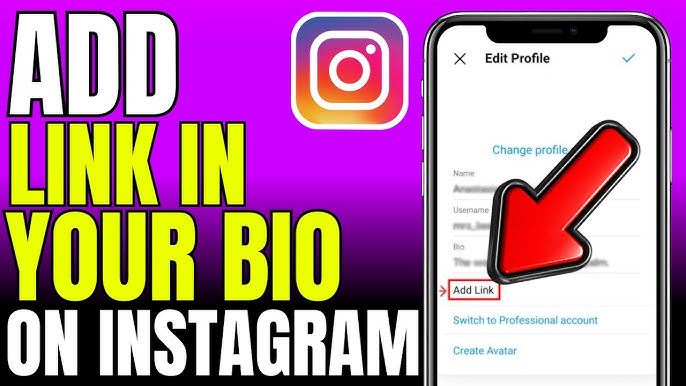
The Instagram bio link started as a simple proposition: one link to send your followers somewhere else, usually a website. For years, that was enough. But Instagram has changed dramatically, and with it, user behavior. People now expect more than just a single destination; they want curated experiences, quick access to multiple resources, and seamless transitions.
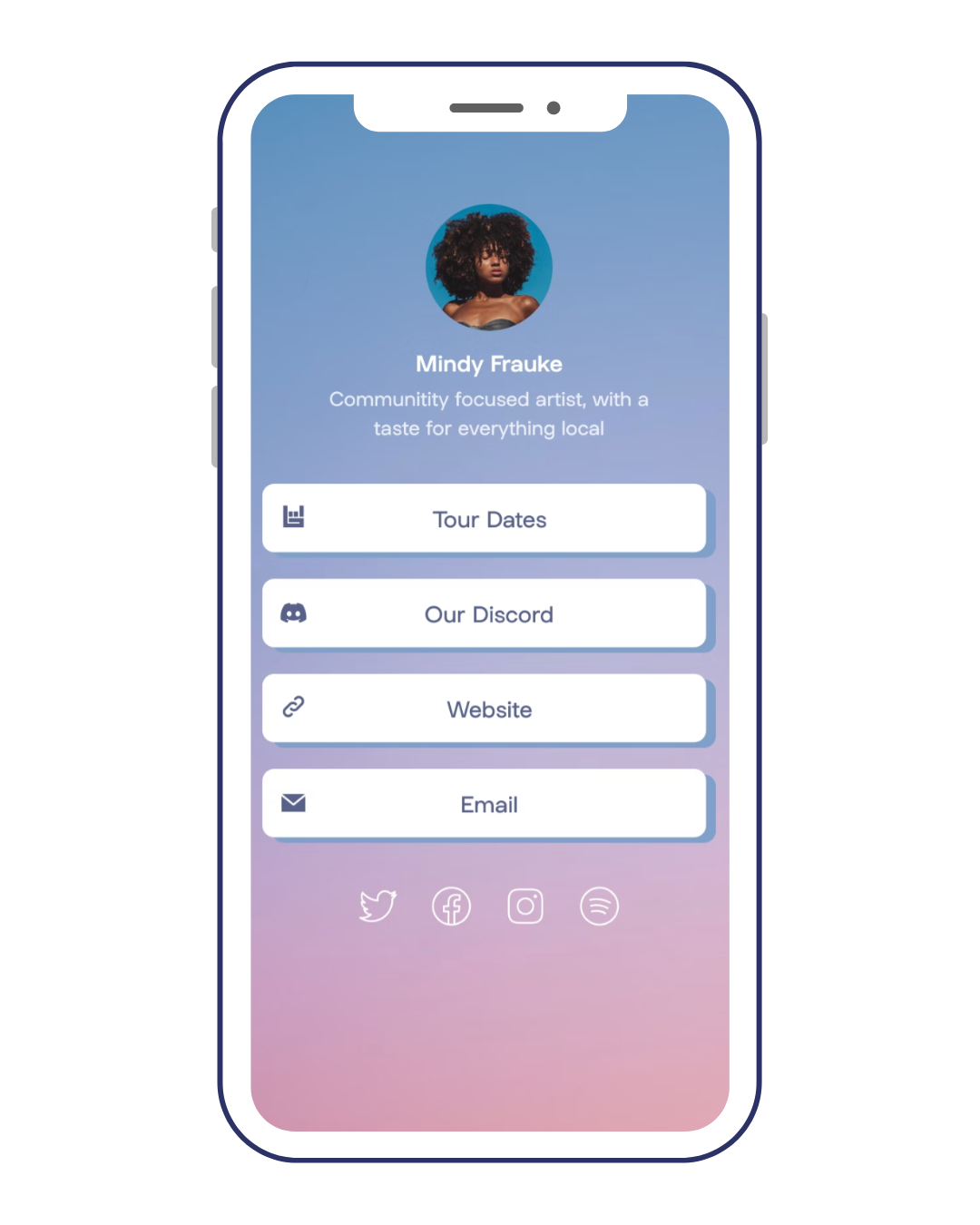
This shift created a need for 'link in bio' tools. Services like Linktree and Shorby emerged to solve the problem of limited link space, offering landing pages with multiple clickable options. These tools provided a workaround, but they weren’t ideal. They often felt disconnected from a user’s core Instagram aesthetic and added an extra step to the user journey.
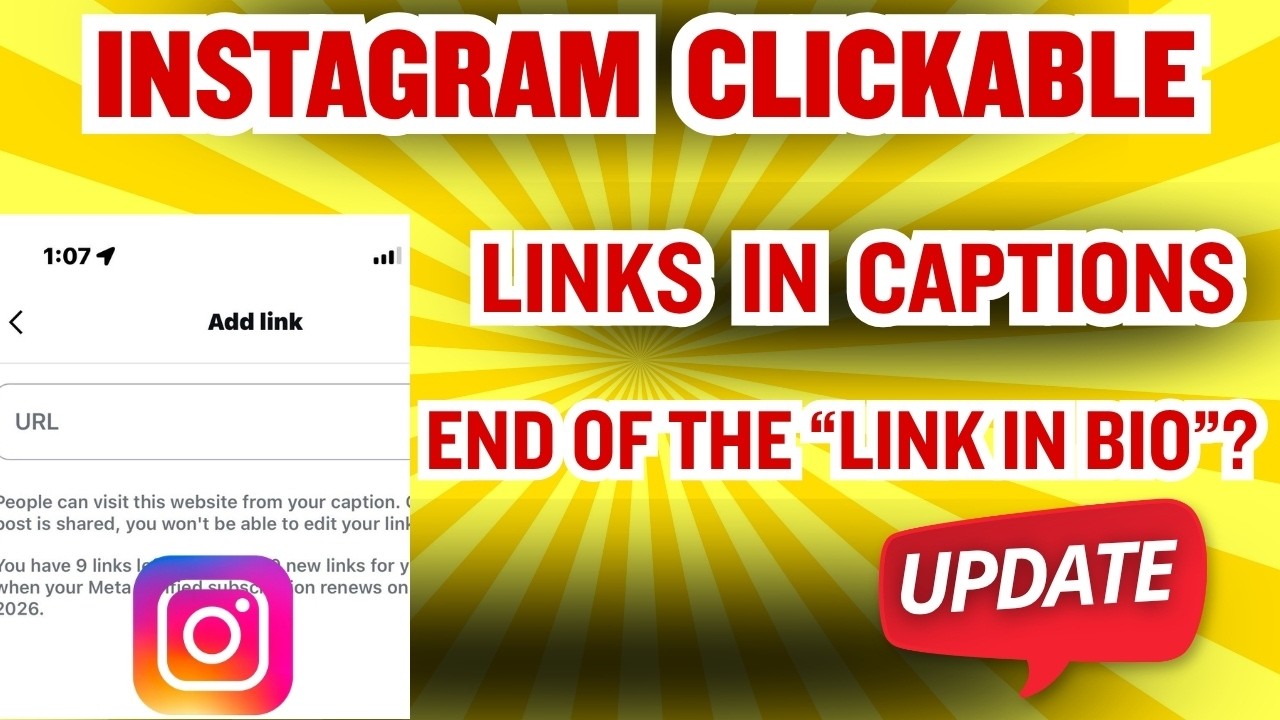
By 2026, I expect Instagram to swallow these third-party features whole. They have a history of doing this—taking what works in outside apps and building it directly into the profile. I'm not sure if it will be a full site builder or just a better menu, but the current single-link limit is too clunky to last much longer.
Current link limitations
Right now, the biggest frustration with the single Instagram bio link is the friction it creates for users. Sending someone off Instagram to access information, even for a few seconds, breaks the flow of the app experience. That friction directly impacts engagement; users are less likely to click if it feels disruptive.
The loss of engagement extends to tracking. Instagram’s native analytics provide basic link click data, but they don’t offer much insight into what happens after someone clicks. It’s difficult to understand which links are driving conversions or which content resonates most with your audience. This lack of data makes it hard to optimize your bio link strategy effectively.
Existing services like Linktree attempt to address these issues, but they come with their own drawbacks. Branding is often limited; it’s hard to create a truly seamless experience that feels consistent with your Instagram aesthetic. Plus, relying on a third-party service introduces a point of failure and dependence. You’re always at the mercy of their platform’s stability and policies. I’ve heard from several businesses who felt constrained by those limitations.
Will instagram go native?
Instagram has a clear incentive to improve the bio link experience—keeping users within the app for longer. That suggests any future changes will prioritize in-app functionality. One likely development is the introduction of multiple, natively supported links directly within the bio. Imagine being able to add several clickable links right to your profile without needing a third-party tool.
Beyond simply adding more links, Instagram could introduce a lightweight bio website builder. This would allow users to create a mini-site directly within the Instagram interface, offering a more branded and customizable experience. This isn’t a far-fetched idea; Instagram is already investing heavily in creator tools.
We might also see richer link previews and interactive elements. Instead of just a static link, previews could include embedded videos, shoppable tags, or even interactive forms. Instagram could monetize these features through sponsored links or premium bio customization options. It's a safe bet to say they'll find a way to benefit financially. The key is to create a system that enhances the user experience and generates revenue for Instagram.
- Multiple native links to replace third-party landing pages
- Lightweight bio website builder
- Richer link previews
- Interactive elements
Interactive bios are coming
The future of the Instagram bio isn't just about links; it's about interactivity. Imagine being able to embed a simple form directly in your bio to collect email addresses or run a quick survey. Or consider the possibility of integrating polls or quizzes to boost engagement. These kinds of interactive elements could dramatically increase the value of the bio link.
For businesses, interactive bios could be a powerful lead generation tool. A retailer could allow users to sign up for a discount code directly from their bio. A service provider could offer a free consultation booking link. The possibilities are vast. It’s about turning the bio into a mini-hub for engagement and conversion.
Different creators will leverage these features in different ways. A musician might embed a music player or a link to their latest tour dates. A blogger might use a link to their most recent blog post and a form to subscribe to their newsletter. I think we’ll see a lot of experimentation as creators discover new ways to use these tools.
Prioritize mobile users
Whatever changes Instagram implements, mobile optimization will be paramount. The vast majority of Instagram users access the platform on their phones, so your linked landing pages must be mobile-friendly. This means fast loading times, a responsive design, and a clear, concise layout.
Focus on creating a seamless mobile experience. Use large, tappable buttons and avoid cluttered designs. Ensure your calls to action are clear and prominent. Remember that users are often browsing on the go, so make it easy for them to take action quickly. A slow-loading or poorly designed mobile page will kill your conversion rates.
Page speed is especially critical. According to Google, 53% of mobile site visitors will abandon a site if it takes longer than three seconds to load. Optimize your images, minimize code, and leverage browser caching to improve your page speed. Don’t underestimate the impact of a fast loading experience.
Analytics: Tracking What Truly Matters
Tracking your bio link performance is essential for optimizing your strategy. You need to know which links are getting clicked, which content is resonating with your audience, and which calls to action are driving conversions. Instagram’s native analytics provide a basic overview, but they’re often insufficient.
Third-party tools like Your Custom Link offer more detailed analytics. They allow you to track link clicks, conversions, user behavior, and other key metrics. This data can help you identify areas for improvement and refine your bio link strategy. A/B testing different link arrangements and calls to action is also crucial.
Don’t just collect data; analyze it. Look for patterns and trends. Which links consistently perform well? Which ones are underperforming? What types of content drive the most engagement? Use these insights to make informed decisions about your bio link strategy. I consistently see people skip this step and miss out on valuable opportunities.
Bio Link Tool Comparison - 2026 Outlook
| Tool | Price | Features | Ease of Use | Integrations |
|---|---|---|---|---|
| Your Custom Link | Competitive | Link Tracking, UTM Support, Custom Branding, Analytics Dashboard | High | Wide range of marketing platforms |
| Linktree | Freemium/Paid Plans | Link Tracking, Basic Analytics, Limited Customization | Medium | Common social media platforms |
| Shorby | Paid Plans | Link Tracking, Advanced Analytics, Team Collaboration Features | Medium | Email marketing services, Google Analytics |
| Taplink | Freemium/Paid Plans | Link Tracking, Customizable Blocks, Mini-Sites | Medium | Limited integrations, focus on visual presentation |
| Bio.fm | Paid Plans | Multiple Link Pages, Social Media Scheduling | Low | Basic social media integrations |
| Lnk.Bio | Freemium/Paid Plans | Simple Link Lists, Basic Analytics | High | Limited integrations |
Illustrative comparison based on the article research brief. Verify current pricing, limits, and product details in the official docs before relying on it.
Branding Beyond the Link
Even if Instagram introduces more native features, consistent branding will remain crucial. Your bio link should be an extension of your overall Instagram aesthetic. Use consistent colors, fonts, and imagery across your profile and your linked landing pages.
A cohesive brand experience builds trust and recognition. When users click on your bio link, they should feel like they’re still interacting with you, not being redirected to a generic website. This is especially important for businesses; a strong brand identity can differentiate you from the competition.
Consider using a custom domain name for your bio link. This adds a professional touch and reinforces your brand identity. It also gives you more control over your online presence. A custom domain is a small investment that can pay off in the long run. I've seen a noticeable lift in brand perception for clients who've made this switch.

No comments yet. Be the first to share your thoughts!