
Bio links and the mobile shift
Google indexes the mobile version of your site first. If your mobile page is slow or broken, you won't show up in search results. This matters for bio links because most social media traffic is mobile-only. If that first click fails, the rest of your funnel doesn't matter.
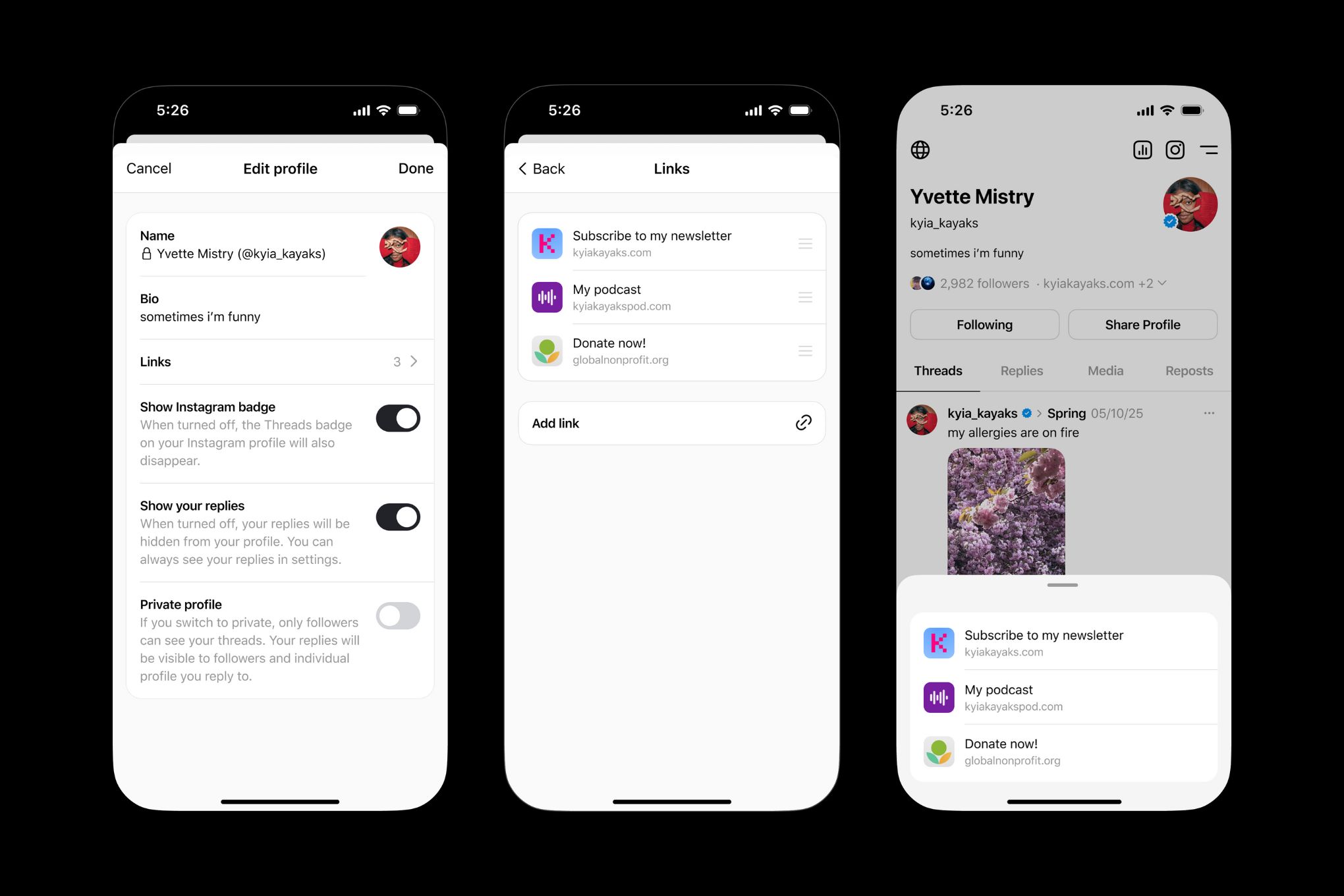
Bio links are becoming the primary way to direct traffic from social platforms. Direct URL sharing is actively discouraged, or outright blocked, on many platforms like Instagram and TikTok. The 'link in bio' has become a critical gateway, often representing a user's first impression of your brand or content. A clunky, slow, or irrelevant bio link page can mean a lost opportunity – and a bounce before they even reach your intended destination.
The reliance on bio links isn’t just about technical limitations of social platforms. It’s also about user behavior. People are spending more time on mobile devices, and expect a seamless experience. A well-optimized bio link page acknowledges this and prioritizes mobile usability. It’s no longer enough to simply have a link; it needs to be a thoughtfully designed extension of your brand’s mobile presence.
Adapting to voice search
Voice search is fundamentally different from typed search. People don’t type queries into a voice assistant; they ask questions. This leads to longer, more conversational search terms – what’s known as long-tail keywords. For example, instead of typing "running shoes,’ someone might ask, ‘What are the best running shoes for flat feet?".
This shift in search behavior has significant implications for bio link optimization. Your link page content needs to anticipate these conversational queries. Instead of just listing links, consider framing your offerings as answers to common questions. Think about the questions your target audience is asking, and structure your bio link page to provide those answers concisely.
Voice search results frequently feature "featured snippets" – short, direct answers that Google pulls from websites. While landing a featured snippet directly with your bio link page is a long shot, structuring your content in a question-and-answer format increases the chances of your page being understood by search engines and potentially influencing snippet generation for related queries. The goal is to make your content easily digestible for both humans and algorithms.
Writing for 2026 users
Mobile users scroll fast. You have about two seconds to explain a link before they move on. Every button needs a description that tells the user exactly what happens after they tap.
Consider using a question-and-answer format. For example, instead of simply linking to a blog post about "email marketing tips,’ you could phrase it as ‘Need to improve your email open rates? [Link to blog post]". This directly addresses a potential user need and makes the link more appealing. Don't be afraid to use short, punchy sentences.
A strong call to action (CTA) is essential for each link. Don’t just say "Learn More’; tell users why they should learn more. ‘Get Your Free Guide,’ ‘Shop the Sale,’ or ‘Watch the Demo" are more compelling. Where possible, use schema markup to provide search engines with additional context about the content on your bio link page. This can help them understand the purpose of each link and improve its visibility. Include relevant keywords naturally within the text, but avoid keyword stuffing – focus on providing value to the user.
Customizing button text is the easiest way to test what works. We saw one creator get 15% more clicks just by changing 'Read More' to 'Get the Checklist'.
Speed and usability
Simply having a "mobile-friendly’ website isn’t enough anymore. Page speed is critical. According to Google"s PageSpeed Insights, over 53% of mobile site visits are abandoned if pages take longer than three seconds to load. Optimize images by compressing them without sacrificing too much quality. Minimize your code – remove unnecessary characters and whitespace.
Design should be clean and uncluttered. Avoid overwhelming users with too much information. Prioritize a clear visual hierarchy, making it easy for users to scan and find what they’re looking for. Different screen sizes and resolutions require careful consideration. Test your bio link page on a variety of devices to ensure it looks and functions correctly.
Accelerated Mobile Pages (AMP) can significantly improve page speed, but support varies by platform. While AMP isn’t universally applicable to bio link pages, it’s worth investigating if your chosen platform allows it. Ensure all touch elements – buttons, links, etc. – are large enough and spaced appropriately to prevent accidental clicks. A good rule of thumb is at least 44x44 pixels for tappable elements.
Tracking and testing
Tracking your bio link performance is essential. Monitor click-through rates (CTR) for each link to understand what resonates with your audience. Pay attention to bounce rates and time on page – these metrics can indicate whether your content is relevant and engaging. A high bounce rate suggests users are leaving your page quickly, signaling a potential problem.
Your Custom Link provides comprehensive analytics, including detailed click data, geographic insights, and device information. Use this data to identify areas for improvement. A/B test different content, CTAs, and layouts to see what performs best. Regularly update your links to ensure they are current and relevant.
Don’t treat your bio link page as a static entity. It needs to be constantly refined and optimized based on data and user feedback. Consider seasonal promotions, new content releases, and changing audience preferences. A dynamic bio link page is a powerful tool for driving engagement and conversions.
AI and automation
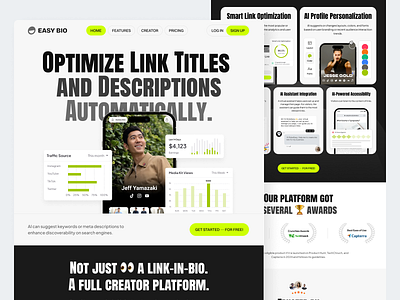
The integration of AI into bio link optimization is an emerging trend. AI could potentially automate the generation of optimized content, tailoring it to specific audiences and platforms. Imagine an AI that analyzes your social media posts and automatically creates a bio link page with relevant links and compelling CTAs.
AI-powered chatbots could be integrated into bio link pages, providing instant customer support and personalized recommendations. This could transform the bio link from a simple list of links into an interactive experience. The potential for personalized bio link experiences is significant – imagine a bio link page that changes based on the user’s demographics, interests, or past behavior.
We don't know if AI will manage every link automatically, but it's already useful for generating better button copy. Testing these tools now prevents you from falling behind when the tech becomes standard.

No comments yet. Be the first to share your thoughts!