
The shift from link lists to landing pages
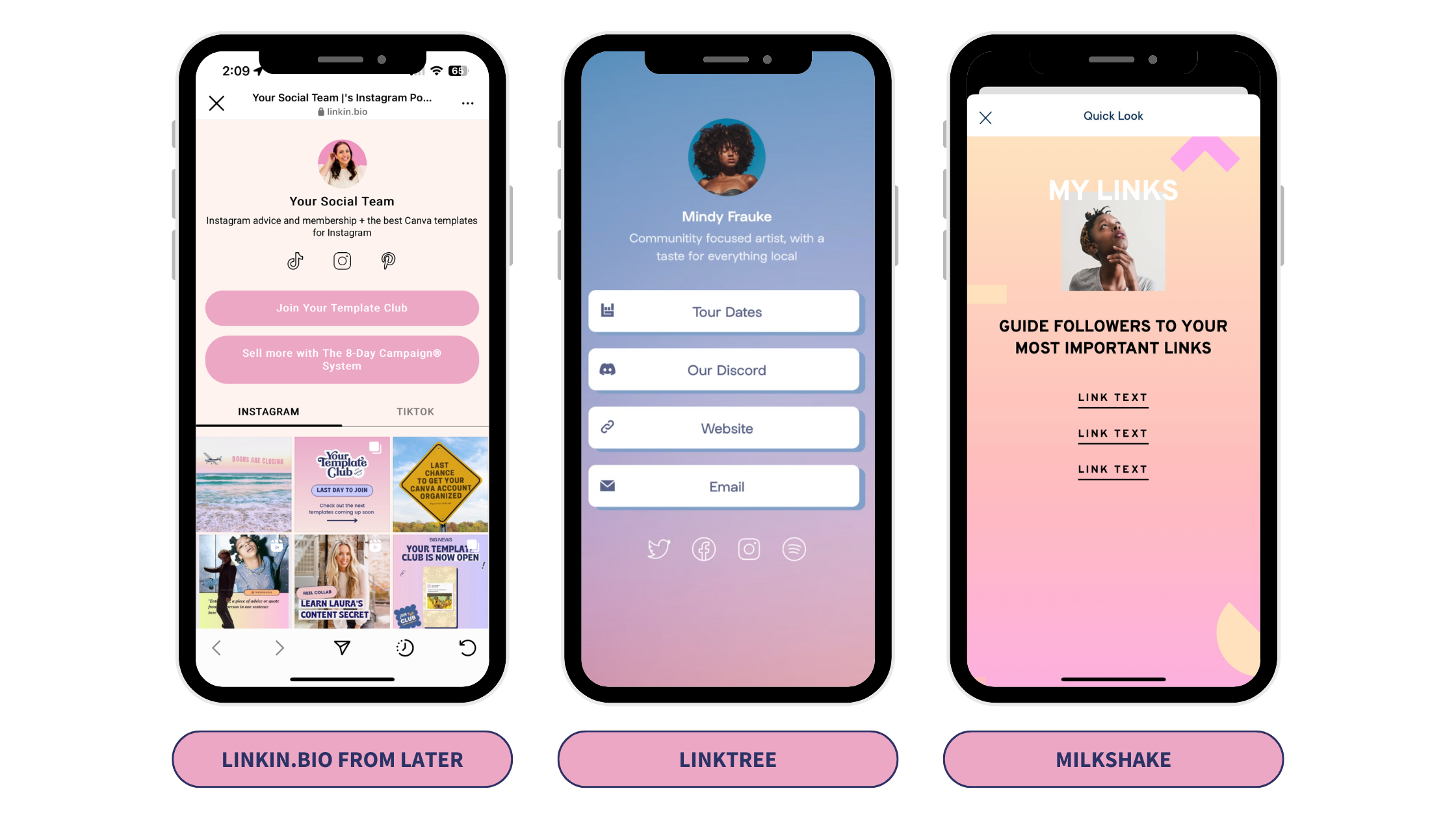
Remember the early days of Instagram? Wanting to share more than one link meant constantly updating your bio with the latest offer, blog post, or event. It was a mess. Then came Linktree and similar services, offering a simple solution: a single link to a page with multiple options. While a huge improvement, these early bio link pages often felt…generic.
For a long time, that was enough. But things are changing. The initial novelty has worn off, and users are becoming accustomed to a more polished online experience. A standard Linktree page now blends into the background. The real estate in your Instagram bio is valuable, and a basic list of links doesn’t fully capitalize on that opportunity. We're seeing a move towards more sophisticated solutions.
The bio link is no longer just a directory; it's a mini-landing page. I've found that treating this space as a branded entry point rather than a list of buttons directly improves how people interact with my site.
How mobile indexing changes your bio
Google’s shift to mobile-first indexing has significantly impacted the importance of bio links. For years, search engines primarily crawled and indexed the desktop version of a website. Now, they prioritize the mobile version. This means your bio link page is increasingly likely to be the first impression someone has of your brand when discovering you through a Google search.
It's not just about Instagram users anymore. Someone searching for “best vegan recipes” on their phone might find your Instagram profile in the results, and your bio link will be their gateway to your content. This transforms a bio link from a simple extension of your Instagram presence into a legitimate landing page with SEO implications.
This shift means page speed and mobile layout actually matter for your bio. If your link page is fast and uses the right keywords, you'll start seeing traffic from people who don't even follow you on Instagram yet.
Why generic templates fail
Generic Linktree pages are becoming invisible. Users are bombarded with information, and a bland list of links simply doesn’t stand out. Customization is no longer a "nice-to-have’; it"s a necessity. This means using a custom domain that reflects your brand, rather than a Linktree subdomain.
Branded buttons and consistent visual themes are also essential. Think about your overall brand aesthetic and carry that through to your bio link page. Use your logo, brand colors, and consistent fonts. A cohesive look and feel builds trust and reinforces your brand identity. I've seen a huge difference in engagement when brands invest in a unique look and feel.
Beyond visual elements, consider the overall user experience. Is the page easy to navigate? Is the content clearly organized? A cluttered or confusing page will lead to high bounce rates. Twenty Seven Digital offers a great example of a custom bio link experience hosted on their own website, showcasing the possibilities of a fully branded approach.
Here's a quick checklist to consider:
Prioritize a custom domain.
Use consistent branding (logo, colors, fonts).
Ensure mobile responsiveness.
Keep the design clean and uncluttered.
- Prioritize a custom domain.
- Use consistent branding (logo, colors, fonts).
- Ensure mobile responsiveness.
- Keep the design clean and uncluttered.
The data Instagram hides from you
Instagram’s built-in analytics provide some basic insights, but they fall short when it comes to understanding the performance of your bio link. You can see how many people visited your profile, but you don’t know where they went after clicking your link. This is a critical gap in your data.
Detailed analytics are essential for optimizing your bio link strategy. You need to track click-through rates for each individual link, time spent on each page, and bounce rates. This data reveals what content resonates with your audience and what needs improvement. For example, a low click-through rate on a specific link might indicate that the call to action is unclear or the content isn’t relevant.
Understanding where people are going from your bio link is just as important as getting them to click. Are they converting into leads? Are they making purchases? Are they spending time engaging with your content? These are the questions you need to answer. Your Custom Link provides robust analytics to help you track these key metrics.
Key metrics to watch include: click-through rate per link, time on page, bounce rate, and conversion rates. Regularly reviewing this data allows you to make informed decisions and continuously improve your bio link performance.
Affiliate Marketing & Bio Links: A Powerful Combo
Bio links and affiliate marketing are a natural fit. Your Instagram bio provides a valuable platform for promoting affiliate products and earning commissions. However, it’s crucial to adhere to disclosure requirements and maintain transparency with your audience.
Always clearly disclose your affiliate relationships. The Federal Trade Commission (FTC) requires you to disclose when you’re being compensated for promoting a product or service. Use clear and concise language, such as “#affiliatelink” or “Sponsored.”
Most people leave money on the table by burying affiliate links at the bottom. I put my highest-converting products at the top and use specific tracking IDs for each one so I know exactly which post drove the sale.
Yourcustomlink.com provides helpful guides and resources on utilizing bio links for Amazon Affiliate marketing, covering best practices and compliance guidelines.
Tools Compared: Your Custom Link vs. Alternatives
Several platforms offer bio link solutions, each with its own strengths and weaknesses. Let’s compare Your Custom Link to some of the leading alternatives: Linktree, Shorby, and Taplink.
Linktree is the most well-known option, offering a free plan with limited customization. However, the free plan includes Linktree branding and lacks advanced analytics. Shorby focuses on lead generation and offers features like email capture forms and retargeting pixels. Taplink is popular for e-commerce businesses, providing tools for selling products directly from your bio link page.
Your Custom Link differentiates itself with its emphasis on complete customization and robust analytics. You can use a custom domain, fully brand the page, and track detailed metrics on user behavior. While Linktree’s simplicity is appealing, Your Custom Link offers the flexibility and control that serious marketers need. The pricing plans are competitive, with options to suit different budgets and needs.
Here’s a simplified comparison:
| Feature | Your Custom Link | Linktree | Shorby | Taplink |
|---|---|---|---|---|
| Custom Domain | Yes | No (paid plans) | Yes | Yes |
| Branding | Full | Limited | Moderate | Full |
| Analytics | Robust | Basic | Moderate | Moderate |
| Lead Generation | Yes | Limited | Strong | Moderate |
| E-commerce | Yes | No | Limited | Strong |
Instagram Bio Link Platform Comparison - 2026
| Platform | Customization Options | Analytics & Reporting | Integrations | Overall Value |
|---|---|---|---|---|
| Your Custom Link | Highly Customizable - Brand Focused | Detailed, Actionable Insights | Wide Range of Marketing Tools | Best for Brand Control |
| Linktree | Good Basic Customization | Standard Link Click Data | Common Platform Integrations | Good All-Around Option |
| Shorby | Moderate Customization with Templates | Basic Analytics Provided | Limited Native Integrations | Suitable for Simple Needs |
| Taplink | Good Customization - Blocks & Sections | Decent Click Tracking | Focus on Messaging Apps | Better for Direct Messaging Focus |
| Beacons | Moderate - Focus on Mini-Sites | Good Analytics with Audience Insights | Email Marketing & Creator Tools | Strong for Creator Economy |
Qualitative comparison based on the article research brief. Confirm current product details in the official docs before making implementation choices.

No comments yet. Be the first to share your thoughts!