
Gen Alpha mobile habits
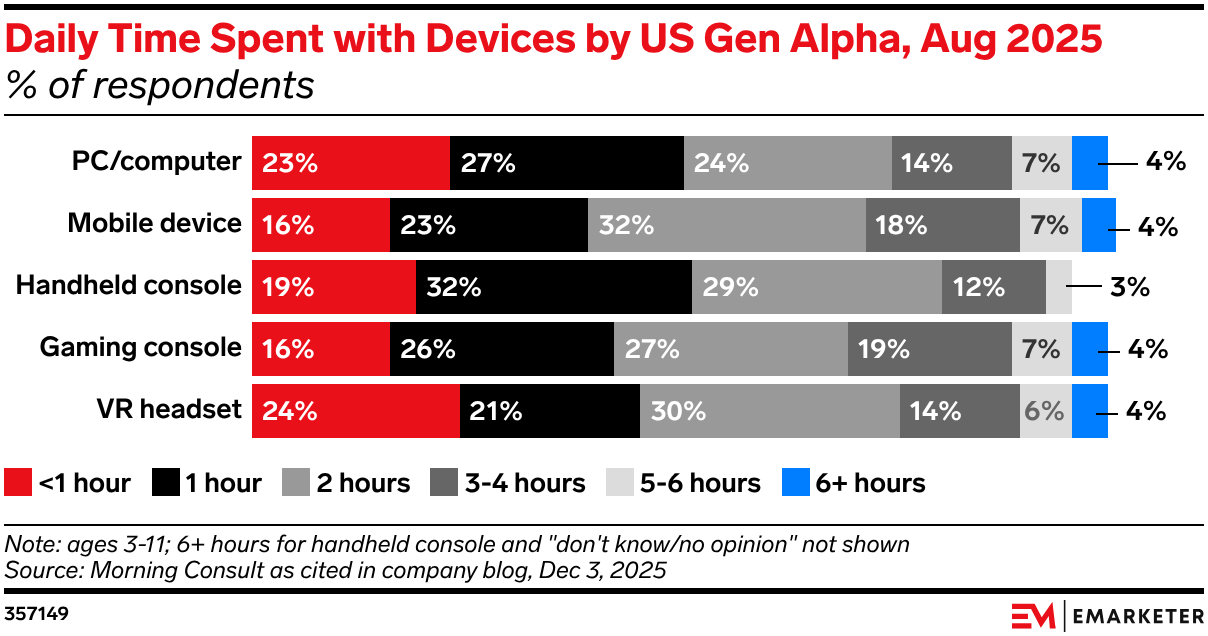
Born roughly between 2010 and 2024, Gen Alpha is currently between the ages of 10 and 14. This makes them truly the first generation to grow up entirely immersed in a mobile-first world. Their relationship with technology isn’t about adoption—it’s about existence. They haven't known a time without smartphones, high-speed internet, and constant connectivity. It’s important to understand that this isn't just a younger version of Gen Z.
Their content consumption is heavily weighted towards short-form video. TikTok dominates, with 67% of US teens reporting use in 2024 (Pew Research Center, February 2024). YouTube Shorts is a close second, and even platforms like Instagram Reels are essential. But it’s not only video. Gaming—particularly mobile gaming—is a massive part of their lives, with titles like Roblox and Minecraft seeing huge engagement. Live streaming on platforms like Twitch and YouTube Gaming is also popular, not just for watching, but for active participation.
They also exhibit a preference for platforms that allow for co-creation and personalization. Roblox, for example, isn’t just a game; it’s a platform where users build and share their own experiences. This desire for agency extends to their expectations for all digital experiences. They expect to be able to customize their feeds, curate their content, and interact with brands in meaningful ways. Simply presenting information isn’t enough; it needs to be interactive and tailored to their interests.
Moving past the Linktree clone
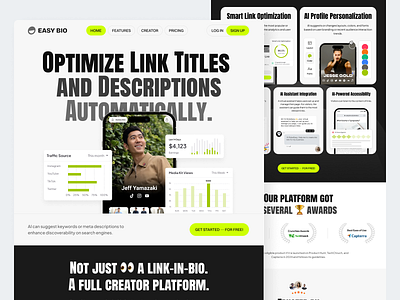
Currently, Linktree is the most recognizable name in bio link solutions. Alternatives like Beacons, Carrd, and Shorby all offer similar functionality: a central hub for multiple links. These platforms have been incredibly useful for creators and businesses, but replicating their model won’t be enough to capture Gen Alpha’s attention. They've seen it all before, and they’re accustomed to far more sophisticated experiences.
Gen Alpha expects brands to earn their attention, not simply ask for a click. A static list of links feels…dated. It feels like an interruption in their flow. This generation is incredibly adept at filtering out irrelevant information and ignoring anything that doesn’t immediately provide value or entertainment. The bar for engagement is significantly higher than it was even a few years ago.
stop sending "Final_Resume_v2_updated.pdf" to recruiters
— Ishan (@ishanxtwt) April 3, 2026
I just tried a new tool by a friend that finally fixes the resume update nightmare
it is called https://t.co/NV9d78cD7A
the concept is simple:
one clean, custom link that always points to your latest resume
why i… pic.twitter.com/cZ9FQenTSC
Interactive mini-apps in your bio
The most significant trend is the integration of mini-apps directly within the bio link itself. Instead of linking to an experience, the experience lives within the bio link. Think playable game demos, personality quizzes, simple augmented reality filters, or branded sticker packs. Delana Simmons’ YouTube video on custom URL redirect links (uploaded June 12, 2024) touches on the benefit of focused links, and this takes that idea much further.
This increases dwell time dramatically. Users aren’t just briefly glancing at a list of links; they’re actively engaging with content. A branded quiz, for example, can gather valuable user data while providing entertainment. A playable game demo can generate excitement for an upcoming product launch. It’s about creating a micro-experience that’s tailored to the platform and the audience. The question is whether this boosts conversions to external sites, or if the mini-app becomes the conversion.
Building these requires SDKs or APIs. Platforms like customLINK are already rolling out tools to embed these apps. While it takes more dev work than a standard link list, the jump in time-on-page is a clear trade-off.
Gamified Loyalty Programs
Gen Alpha grew up with gamification. They’re accustomed to earning points, unlocking levels, and collecting rewards. Bio links can be used to host simple loyalty programs: visiting the link daily earns points, unlocking exclusive content requires a certain number of visits, or earning badges for completing specific actions. These don’t need to be complex systems; consistency is key.
This taps into core psychological principles. Variable rewards—where the reward isn’t predictable—are particularly effective at driving engagement. A sense of progress—visualizing how close they are to unlocking a reward—motivates continued participation. And social recognition—showing off their badges or leaderboard ranking—adds an element of competition and status.
There's a risk of these programs feeling manipulative if not implemented thoughtfully. The rewards need to be genuinely valuable to the user, and the program needs to be transparent and fair. It's about building a positive relationship with the audience, not simply exploiting their desire for rewards.
Personalized Content Feeds
Imagine a bio link that dynamically displays content tailored to the individual user. Instead of a static list, the content changes based on their past behavior. This requires collecting and analyzing user data – with appropriate privacy safeguards, of course. For example, surfacing products based on past purchases, recommending content based on viewing history, or showing personalized offers.
This is a more advanced trend, and it presents significant technical challenges. It requires robust data analytics capabilities and a system for managing user preferences. Privacy is also a major concern. Brands need to be transparent about how they’re collecting and using data, and they need to comply with all relevant regulations.
This is a heavy lift. Maintaining a dynamic feed usually requires a dedicated data team, making it a luxury for enterprise brands rather than a standard tool for small creators.
AR and VR integration
While still emerging, the potential for AR/VR integration is significant. As augmented and virtual reality technology becomes more accessible, bio links could become portals to immersive experiences. Imagine a bio link that launches an AR filter allowing users to virtually "try on" a product, or a 360° product view.
This is likely a trend that will gain traction in 2026 and beyond. The biggest hurdles are hardware and software adoption. Users need to have the right devices and the necessary software to access these experiences. But as AR/VR technology becomes more mainstream, this could become a powerful way to engage Gen Alpha.
Tools and Platforms to Watch
The ecosystem of tools and platforms enabling these trends is rapidly evolving. Custom link builders like customLINK are adding features to support mini-app integrations and gamification. Platforms specializing in mini-app development are emerging, offering templates and tools for creating interactive experiences.
Analytics tools are also becoming more important. Understanding how users are interacting with your bio link—which mini-apps are most popular, which loyalty program elements are most effective—is crucial for optimizing your strategy. It’s about more than just clicks; it’s about engagement and conversion.
Here’s a quick overview of a few platforms (as of late 2024):
- customLINK handles basic aggregation and is testing mini-app embeds.
- Beacons provides advanced customization specifically for creators.
- Taplink: Popular for e-commerce and offers features like product showcases and shopping carts.
- Carrd: A simple, one-page website builder that can be used to create basic bio links.
Bio Link Platform Feature Comparison - 2026 Trends for Gen Alpha
| Platform | Mini-App Support | Gamification Features | Personalization Options | Analytics Depth | Ease of Use |
|---|---|---|---|---|---|
| Custom Link | Advanced | Basic | Excellent | Advanced | Excellent |
| Linktree | Basic | Limited | Basic | Basic | Basic |
| Beacons | Advanced | Basic | Advanced | Advanced | Basic |
| Carrd | Limited | Limited | Advanced | Limited | Advanced |
Illustrative comparison based on the article research brief. Verify current pricing, limits, and product details in the official docs before relying on it.

No comments yet. Be the first to share your thoughts!