
Beyond the Linktree Clone
Linktree is fine for a start, but a single list of links feels lazy in 2026. Instagram, TikTok, and Threads all have different vibes. If you use the same generic landing page for every platform, you're leaving money on the table.
Platform algorithms are constantly shifting, and what worked six months ago might not work today. A static list doesn’t account for different audience behaviors on each platform. It doesn’t allow for tailored messaging, or for the dynamic updates that keep audiences engaged. The goal isn't just to have a link in bio, but to have a system that actively drives results across your entire social presence.
This isn’t about dismissing Linktree or its competitors entirely. They offer a quick solution. But for anyone serious about growing their brand or business, a more strategic approach is necessary. We need to think beyond a simple directory and start building cohesive brand hubs that deliver value and convert visitors.
Instagram is your main storefront
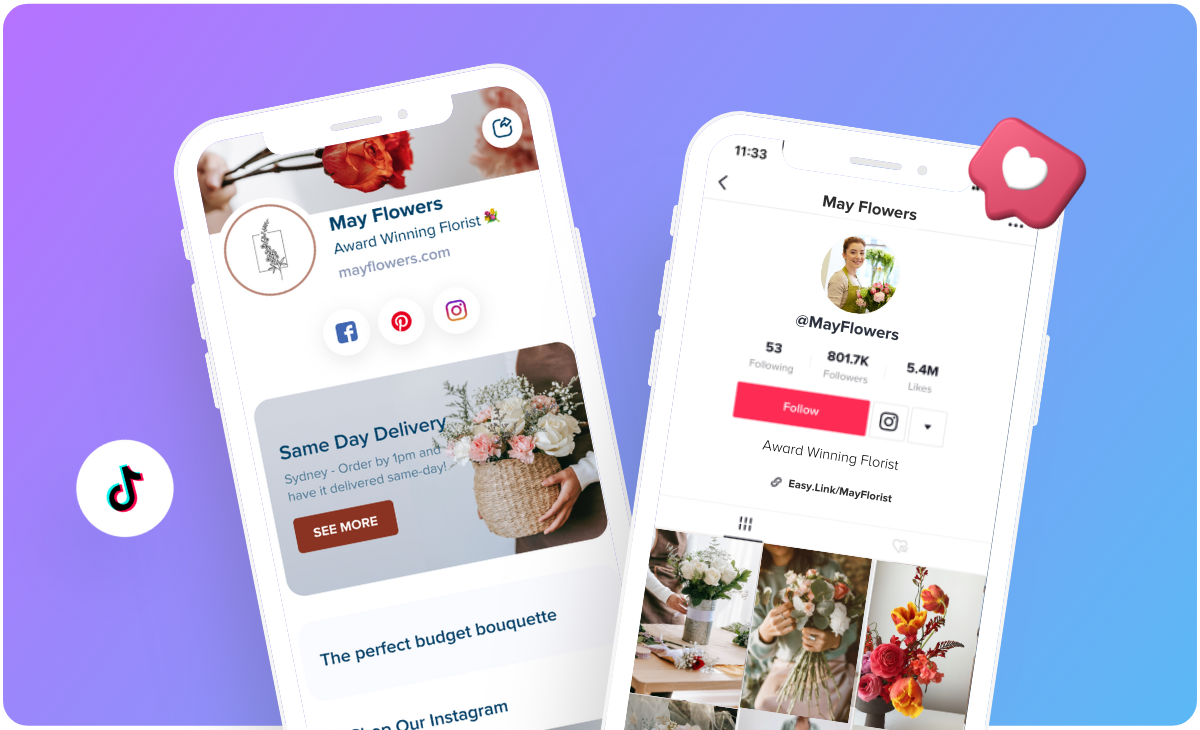
Instagram remains a central hub for many creators, and its bio link is arguably the most valuable piece of real estate you own on the platform. Even with the character limit, you have space to make a strong impression and direct traffic strategically. A clear call to action is non-negotiable. What do you want people to do when they visit your profile?
Prioritization is key. You can’t fit everything into one link. Consider what should be always present – perhaps a lead magnet like a free ebook or webinar, or a link to your latest campaign. Other links can rotate based on current promotions or content. Using Instagram Stories to drive traffic to specific links is a powerful tactic, and one that should be integrated into your overall strategy.
Use specific tracking tags for your Story links. If you're running a promo, a tag like #SummerSale26 lets you see exactly where the traffic came from. I've found that bit.ly works, but native Instagram insights are often more accurate for quick checks.
The TikTok link hurdle
TikTok presents a unique challenge. For a long time, the platform severely restricted clickable links in bios, forcing creators to get creative. While TikTok has expanded options with TikTok Shop and business accounts, the limited link functionality remains a consideration. This means your call to action within the video itself is more important than ever.
Direct viewers to “check the link in my bio” repeatedly and clearly. Don’t assume they’ll find it on their own. A dedicated landing page tailored for TikTok traffic is crucial. This page should have a different tone and messaging than your Instagram landing page, reflecting the unique vibe of TikTok. Think more energetic, fast-paced, and focused on entertainment.
The growing popularity of TikTok Shop changes the game. If you’re selling products directly on TikTok, your bio link strategy should prioritize driving traffic to your shop. But even if you're not using TikTok Shop, you can still leverage the platform to build brand awareness and drive traffic to your other channels. Consider creating short, engaging videos that tease content available on your landing page.
Bio.link had over 3 million users by late 2026 because it solves the TikTok link problem. Just make sure your page loads fast on a phone. If it takes more than two seconds to load, a TikTok user is already gone.
- Say 'link in bio' out loud in your videos.
- Create TikTok-specific landing page content.
- Prioritize TikTok Shop links if applicable.
- Track link clicks using UTM parameters.
Threads: The Text-Based Opportunity
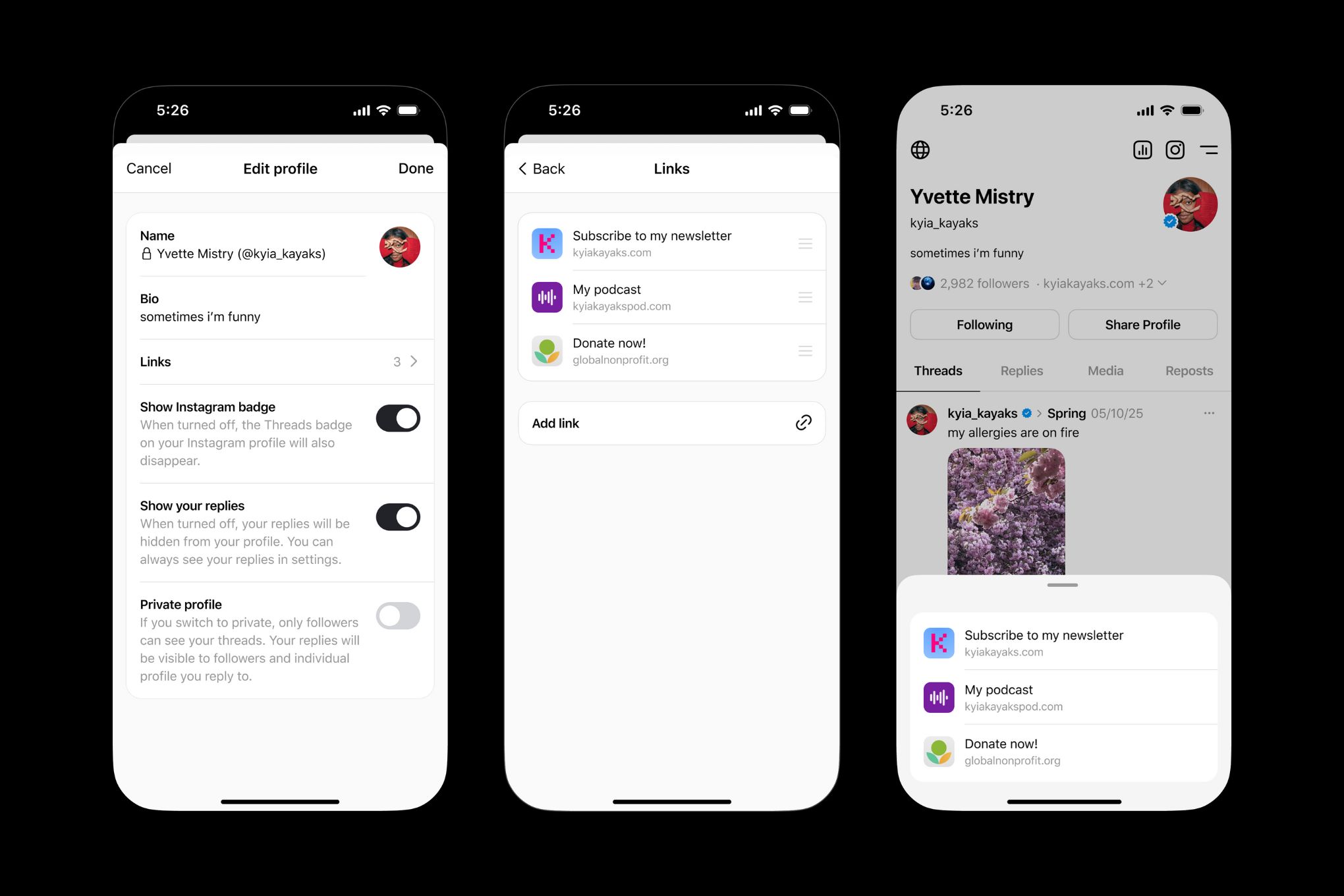
Threads, with its text-centric nature, presents a slightly different opportunity. Because the platform encourages longer-form written content, your bio link becomes even more critical for directing people to more detailed resources. You can build anticipation for longer content hosted elsewhere.
Think of Threads as a place to start conversations and tease content, then drive interested users to your landing page for more information. The audience on Threads tends to be more focused on discussion and community than on quick, visual consumption, so tailor your messaging accordingly.
The close integration between Threads and Instagram impacts link behavior. Users can easily navigate between the two platforms, meaning your Threads bio link can drive traffic to your Instagram landing page, and vice versa. Consider how this interplay can be leveraged to create a more cohesive user experience.
Building a Unified Landing Page
A custom landing page is the cornerstone of a successful multi-platform bio link strategy. It’s far more effective than a simple list of links because it allows you to control the user experience and reinforce your branding. Think of it as a mini-website designed to convert visitors.
Branding is paramount. Your landing page should visually align with your overall brand aesthetic. A clear, intuitive user interface is also essential. Visitors should be able to easily find what they’re looking for. Your Custom Link offers tools to create visually appealing, branded landing pages without needing coding knowledge.
You can embed various types of content on your landing page – videos, forms, email signup boxes, product showcases, and more. Experiment with different layouts and content formats to see what resonates best with your audience. A/B testing is crucial for optimizing conversions. For example, test different headlines, button colors, and calls to action.
Successful landing pages often feature a clear value proposition – what benefit will visitors receive by clicking on a link? They also prioritize mobile responsiveness, given that most traffic will come from smartphones. Look at examples from creators like Gary Vaynerchuk, who uses a clean, organized landing page to direct traffic to his various projects and resources.
- Match your page colors to your profile photo.
- Mobile-responsive design.
- Clear calls to action.
- A/B testing for optimization.
Stop guessing and check the data
Tracking link clicks is essential for understanding what’s working and what isn’t. Don’t rely on vanity metrics like total views. Focus on metrics that indicate engagement and conversions. UTM parameters are your friend. They allow you to attribute traffic to specific campaigns and track the ROI of your efforts.
Your Custom Link provides robust analytics features, including click tracking, geographic data, and device information. This data allows you to refine your bio link strategy and optimize your landing page for better results. While Linktree also offers analytics, Your Custom Link's reporting is often more detailed and customizable.
Use this data to identify which links are performing well and which aren’t. Are people clicking on your lead magnet? Are they engaging with your latest product launch? Adjust your strategy accordingly. Analytics aren’t just about proving what you’re doing right; they’re about identifying areas for improvement.
Bio Link Tracking Methods: A Comparison
| Method | Ease of Use | Accuracy | Cost | Features |
|---|---|---|---|---|
| UTM Parameters | Requires manual creation and consistent formatting. Can be complex for multiple campaigns. | Generally accurate, but relies on correct implementation and consistent URL structure. | Free | Basic traffic source identification; campaign tracking. |
| Platform Analytics (Instagram Insights, TikTok Analytics, Threads Analytics) | Readily available within each platform; no external setup needed. | Provides data *within* the platform, but limited cross-platform views. Accuracy depends on platform data processing. | Free | Basic click counts, follower demographics, and general engagement metrics. Limited customization. |
| Dedicated Link Tracking Services (e.g., Your Custom Link) | Typically user-friendly interfaces with drag-and-drop functionality and pre-built templates. | High accuracy, often including bot filtering and detailed geographic data. Offers comprehensive tracking beyond basic clicks. | Varies depending on the provider and plan. Often offers free tiers with limited features. | Detailed click tracking, geographic data, device type, bot filtering, custom branding, link scheduling, and integration with other marketing tools. |
| Shortened URLs (Bitly, TinyURL) | Very easy to use for simple link shortening. | Provides click tracking, but often lacks the depth of dedicated services. Accuracy can be affected by redirect latency. | Free for basic shortening; paid plans for advanced features. | Basic click tracking, custom short domains (paid plans). |
| Google Analytics Campaign URL Builder | Requires understanding of UTM parameters and manual URL construction. | Highly accurate when implemented correctly, but relies on proper setup and consistent use. | Free | Detailed website traffic analysis, campaign performance tracking, and audience insights (requires Google Analytics setup). |
| Spreadsheet Tracking | Manual data entry and analysis. Time-consuming and prone to errors. | Accuracy depends entirely on manual data input. | Free (assuming spreadsheet software is available) | Basic record-keeping of link clicks and performance. Limited scalability. |
Illustrative comparison based on the article research brief. Verify current pricing, limits, and product details in the official docs before relying on it.

No comments yet. Be the first to share your thoughts!