
Set up your link management tool
Social media optimization starts with a single, reliable destination for your audience. Your Instagram and TikTok bios allow only one clickable link, so choosing a robust link-in-bio tool is the foundation of your strategy. This tool acts as a central hub, directing traffic to your website, latest video, or product launch while capturing valuable user data.
When selecting a platform, prioritize analytics depth and customization. You need a tool that tells you which links get clicks so you can adjust your content strategy accordingly. Look for features like custom domain support, UTM parameter tracking, and the ability to update links without changing your bio URL.

Before signing up, decide what you want visitors to do. Are you driving traffic to a specific product, promoting a new video, or collecting emails? Your goal determines the layout and features you need from your link management tool.

Evaluate tools like Linktree, Beacons, or Stan Store. Focus on their analytics capabilities, ease of customization, and pricing tiers. Use a comparison table to weigh features against your budget and technical needs.
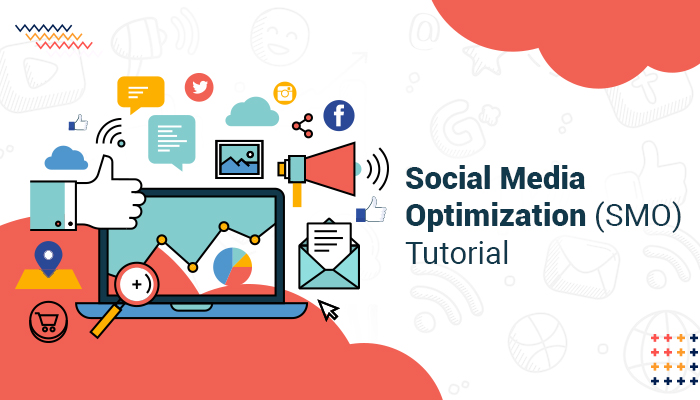
Sign up for your chosen platform and build your landing page. Keep it clean and focused. Use clear headlines and high-quality images that match your brand aesthetic. Ensure your most important link is at the top.
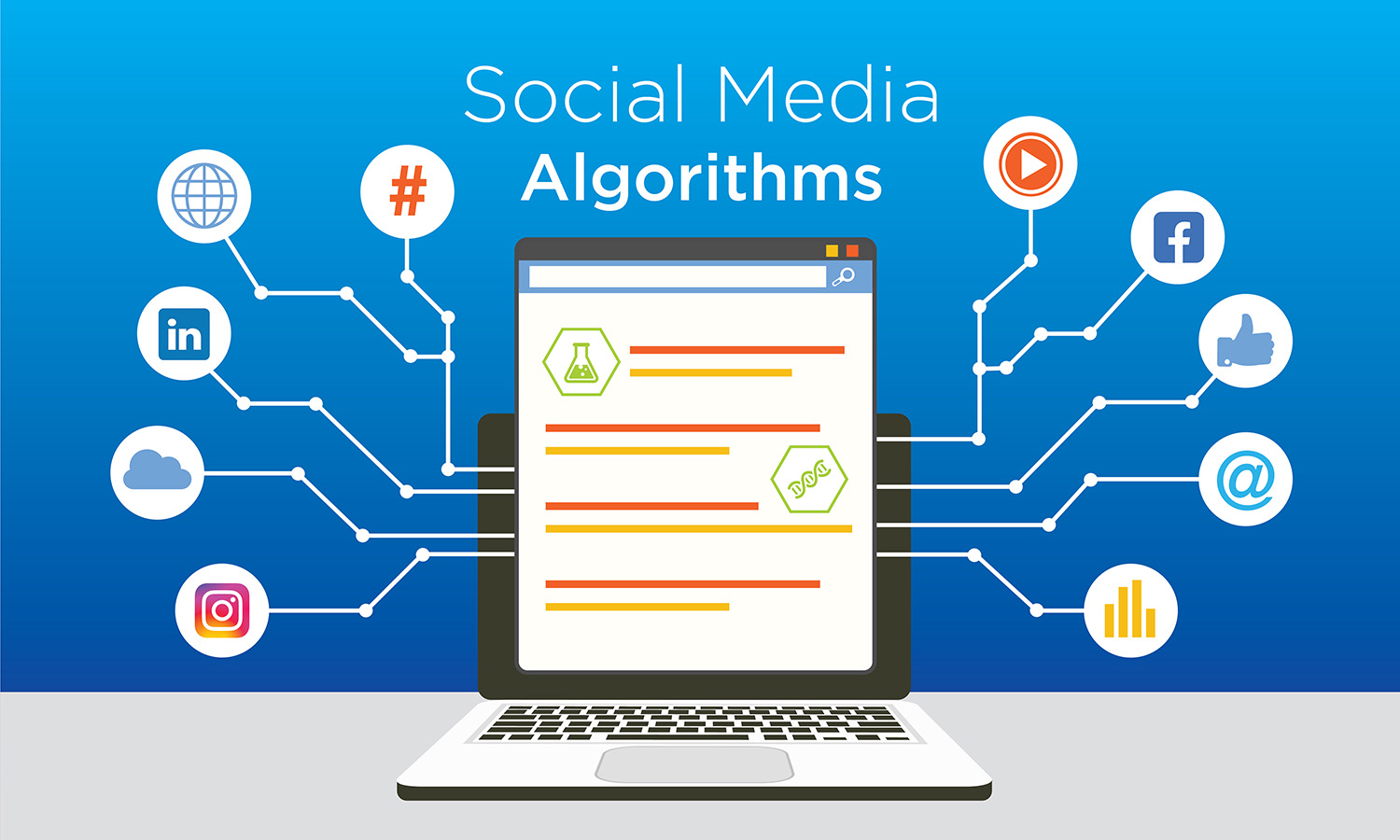
Copy your new link and paste it into your Instagram and TikTok bio profiles. Click the link from your phone to ensure it loads correctly on mobile devices. Verify that all sub-links direct to the right destinations.
With your link hub established, you have a measurable point of entry for your social media optimization efforts. Every click from your bio is now tracked, giving you the data needed to refine your content and drive better results.
Optimize your Instagram bio link
Your Instagram bio link is the only clickable bridge between your profile and your business. Unlike other platforms, Instagram does not allow clickable links in captions or comments, making this single field your primary conversion tool. If the link is vague, broken, or buried under clutter, you lose potential customers before they even see your content.
The goal is to reduce friction. Users should know exactly where they are going and why before they tap. A clear, direct link to your latest offer, shop, or newsletter sign-up performs significantly better than a generic home page or a vague "link in bio" redirect.
Step 1: Choose the destination URL
Start by selecting the specific page you want visitors to land on. Avoid sending traffic to your Instagram home page or a generic "about" section. Instead, link directly to:
- Your latest product launch or sale.
- A specific blog post relevant to your recent content.
- A newsletter sign-up form.
- A Linktree or similar landing page if you have multiple offers (keep it simple).
Ensure the URL is fully functional on mobile devices. Test it in an incognito window to confirm it loads quickly and displays correctly without requiring a login.
Step 2: Edit the link in your profile
- Go to your Instagram profile and tap Edit Profile.
- Locate the Links section. Tap Add Link if you haven't added one yet.
- Paste your chosen URL into the URL field.
- In the Text field, write a clear, action-oriented label. Instead of "Click Here," use "Shop Summer Collection" or "Get the Guide."
- Tap Done to save.
Step 3: Verify and track performance
After saving, visit your profile on a mobile device to ensure the link appears correctly and opens as expected. Instagram may take a few minutes to index the change, so if it doesn't appear immediately, wait a short while before testing again.
To measure effectiveness, use UTM parameters in your URL. This allows you to track how much traffic comes specifically from your Instagram bio in your analytics dashboard. Regularly review these metrics to determine if your current link strategy is driving clicks or if you need to adjust your destination or call-to-action text.
Configure your TikTok bio link
TikTok treats the profile link differently than Instagram. It is not just a passive address; it is the primary conversion point for your entire content ecosystem. Because TikTok’s algorithm prioritizes video retention over profile clicks, you must make the path from video to link as frictionless as possible.
The biggest hurdle is access. TikTok restricts clickable bio links to accounts with at least 1,000 followers. If you are below this threshold, your link appears as plain text that users must copy and paste. This creates significant drop-off. Until you hit that follower milestone, use a QR code in your videos. Point viewers to a landing page that captures their email or directs them to your main site, bypassing the need for a clickable URL entirely.
Once you have access, treat your bio link as a dynamic hub rather than a static destination. Use a link-in-bio tool to aggregate your most important assets: your latest video, a product launch, or a newsletter signup. Rotate these links weekly to match your current content theme. If you are promoting a specific video, update the link immediately after posting to capture the surge of traffic from your For You Page.
Placement matters. Ensure your link is visible above the fold on your profile. Avoid cluttering your bio text with calls to action that contradict the link’s destination. Your video captions should reinforce the link. If your video is about a tutorial, the bio link should lead directly to that tutorial, not your home page. This alignment reduces bounce rates and signals to TikTok that your profile is a valuable resource, potentially boosting your account’s overall authority.
Track performance with UTM parameters
You can’t improve what you don’t measure. If you’re sending traffic from Instagram and TikTok to your website, you need to know exactly which platform, post, or campaign is driving results. Without tracking, all clicks look the same in your analytics, making it impossible to optimize your social media optimization strategy.
UTM parameters are small snippets of code you add to the end of your URLs. They tell analytics tools like Google Analytics where your visitors came from, which specific post they clicked, and whether they arrived via a paid ad or organic post. This data turns guesswork into clear insights.
Here is how to build and apply these tracking links.

Start by deciding where the traffic is coming from. For social media, your source is usually instagram, tiktok, linkedin, or twitter. Be consistent with these names so your reports don’t get cluttered with variations like Insta or IG.
Next, specify the marketing medium. Use social for organic posts and paid_social for sponsored content. This distinction helps you see if your organic engagement is strong enough to stand on its own or if you need to increase ad spend.
Give your campaign a descriptive name. Use spring_sale, product_launch, or influencer_collab. This label appears in your analytics reports, allowing you to group related posts together. Avoid vague names like promo1 that lose meaning over time.
Combine your base URL with the parameters using question marks and ampersands. For example: yoursite.com/product?utm_source=tiktok&utm_medium=social&utm_campaign=spring_sale. Always click the link yourself to ensure it redirects correctly before posting.
Using a URL builder tool makes this process faster and reduces errors. Google’s Campaign URL Builder is the industry standard for creating these links. It generates the full URL automatically, ensuring the syntax is correct for your analytics platform to read.
Once you start posting, check your analytics dashboard weekly. Look for the Acquisition > Social or UTM reports to see which links are driving the most conversions. Over time, you’ll notice patterns—perhaps TikTok drives more traffic, but Instagram drives more sales. Adjust your content strategy based on these real numbers, not just vanity metrics like likes.
Common bio link mistakes to avoid
Your Instagram and TikTok bio link is the most valuable real estate you own. It is the single point of conversion between social media noise and your actual business. Yet, many creators treat it as an afterthought, leaving visitors to navigate a broken path or guess what to do next. Fixing these errors is the fastest way to improve your bio link conversion rate without changing your content strategy.
Broken or cluttered link trees
A link tree that loads slowly or shows ten different options creates decision paralysis. Mobile users have little patience for laggy redirects. If your link doesn’t load within two seconds, they leave. Use a single, dedicated landing page that aggregates your most important offers. This keeps the user experience clean and ensures every click leads to a tracked destination. Test the link on a mobile device before publishing.
Vague calls to action
Don’t just say “Link in bio.” That phrase tells the user nothing about the value they will receive. Be specific and directive. Use phrases like “Get the free checklist” or “Shop the summer collection.” The CTA should promise a clear outcome. When the user knows exactly what they are getting, they are far more likely to click. Pair this with a visual cue, like an arrow pointing down, to guide their eye.
Ignoring mobile optimization
Most social media traffic comes from mobile devices, but many creators design their landing pages for desktop. If your buttons are too small or your text is hard to read on a phone, you are losing sales. Ensure your landing page is fully responsive. Use large, tappable buttons and concise copy. A mobile-first approach isn’t just a best practice; it’s a requirement for social media optimization.

No comments yet. Be the first to share your thoughts!